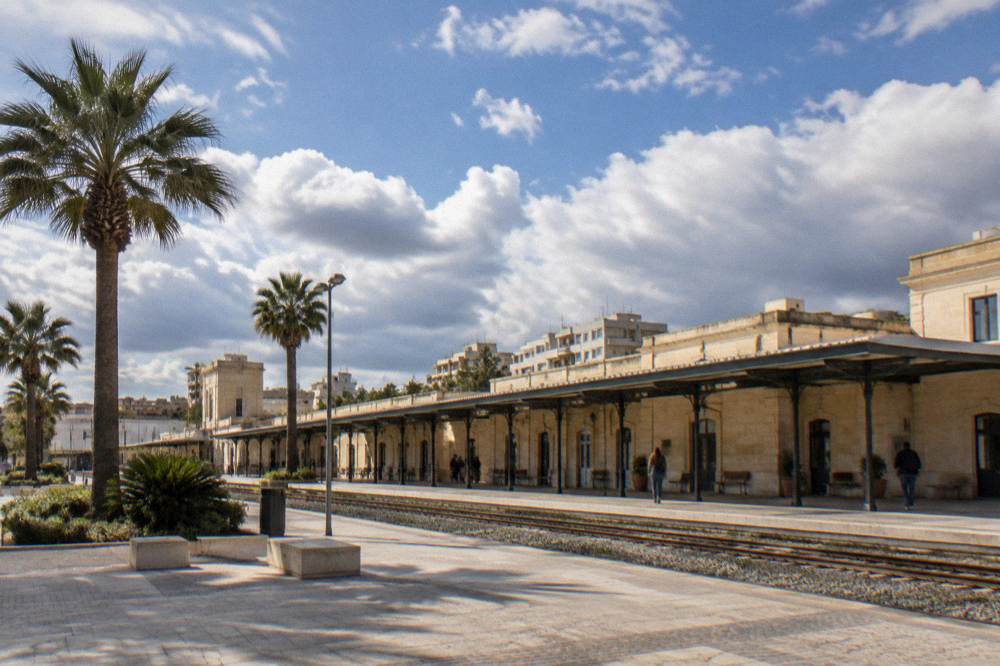
Lecce Train Station: Platforms, FSE Trains And The Walk In
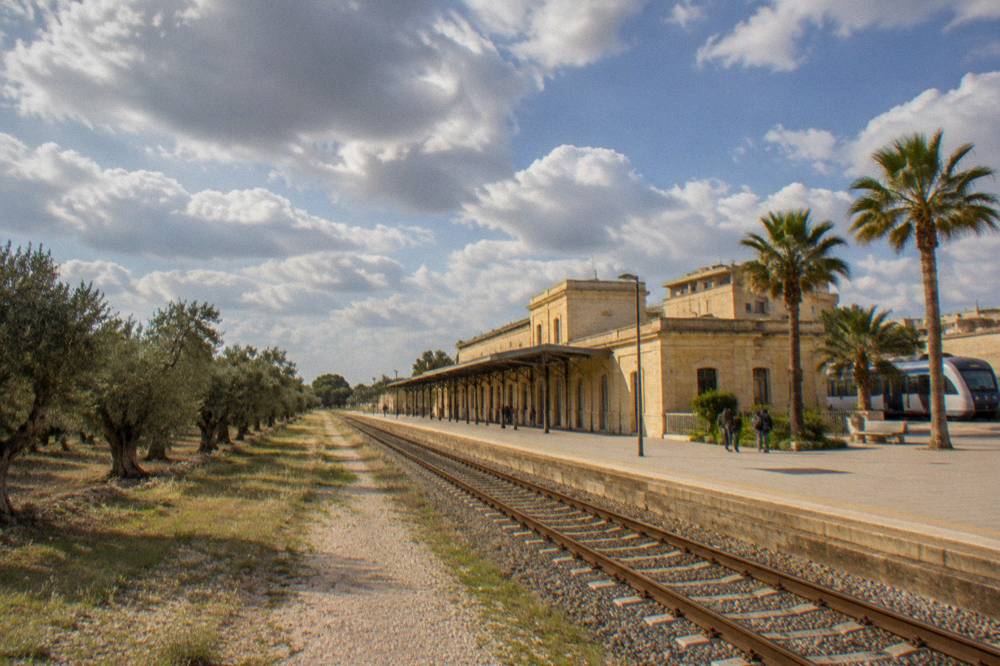
Lecce, the baroque capital of Salento in Puglia, southern Italy, is a city you arrive into by train, because it has no commercial airport of its own. This guide covers the station itself, the two rail networks that meet there, and the short walk from the platforms into the honey-stone old town.
Short answer
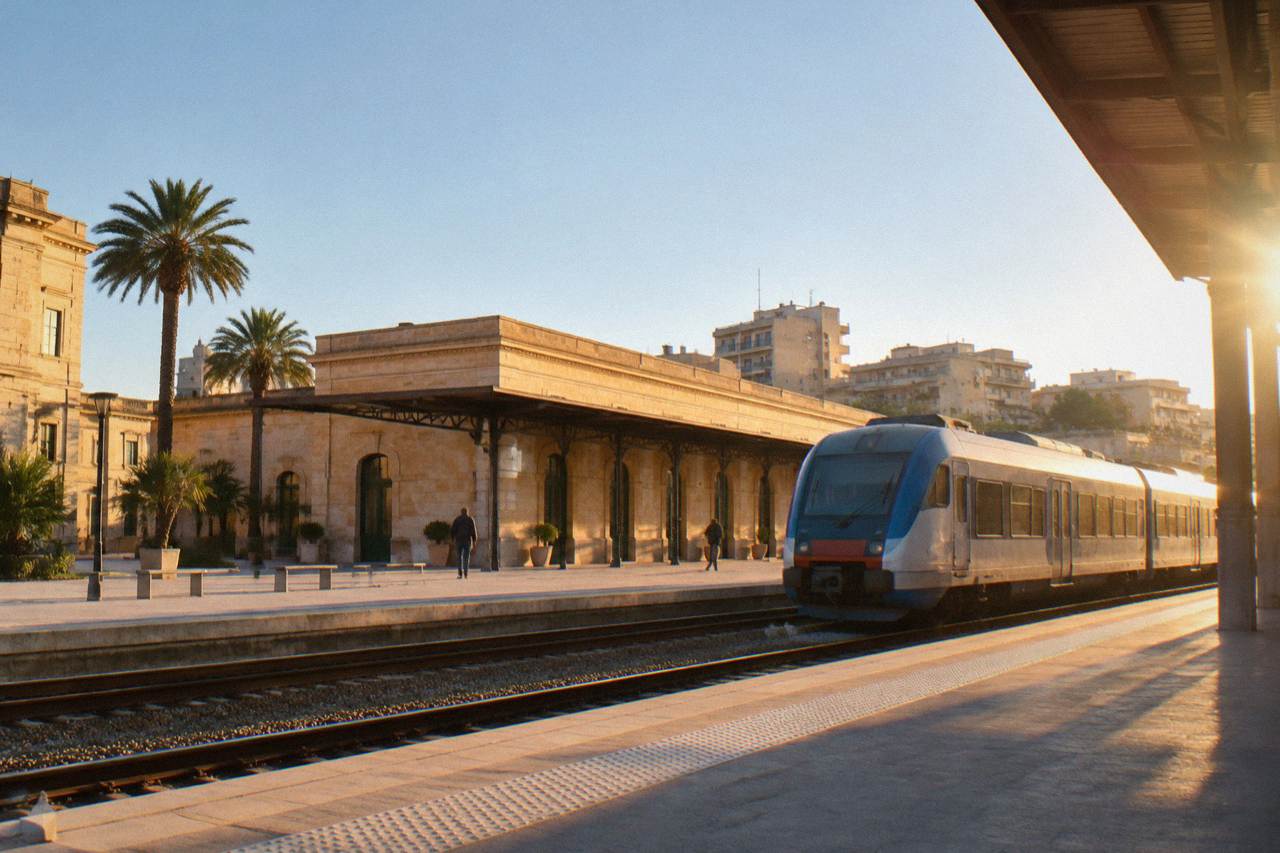
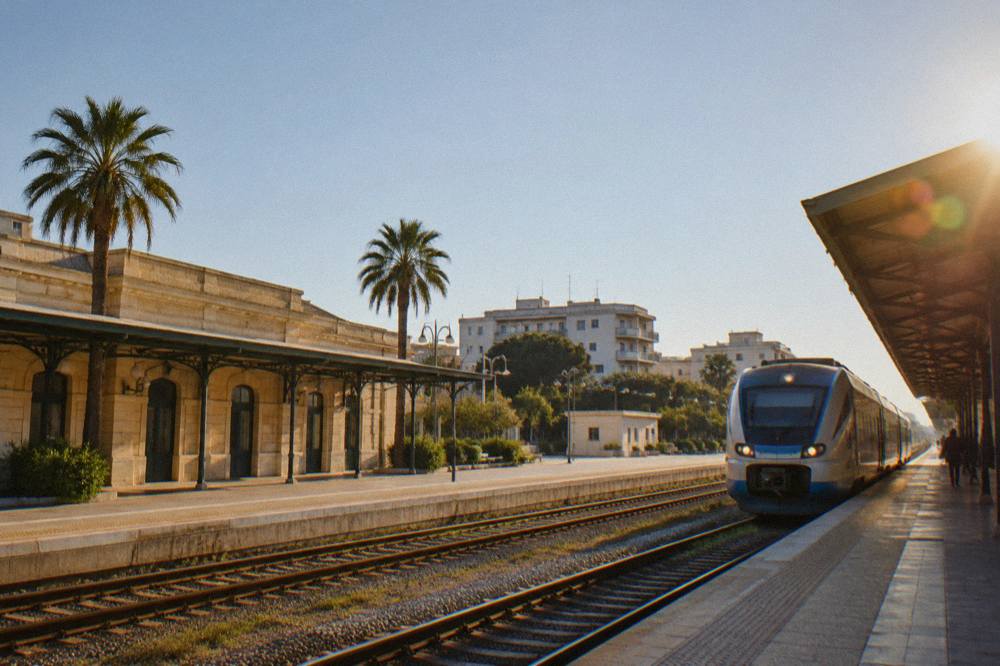
Lecce train station sits at the southern edge of the historic centre, on the Trenitalia national network and at the base of the Ferrovie del Sud Est (FSE) lines that serve the Salento peninsula. Reported journeys run from about 18 to 24 minutes to Brindisi to about 5 hours 58 minutes to 6 hours 16 minutes to Rome, with FSE trains reaching Gallipoli and Galatina directly and Otranto with a change at Maglie.
Lecce, the baroque capital of Salento in Puglia, southern Italy, is a city built for arriving by rail. There is no commercial airport within the city, Brindisi (BDS) is the gateway about 47.6 km away by road, and the honey-coloured old town sits a short level walk from the railway station at its southern edge. Two networks meet at the station: Trenitalia, running north along the Adriatic coast towards Brindisi, Bari and Rome, and the Ferrovie del Sud Est (FSE), whose narrow regional web spreads across the Salento peninsula to Gallipoli, Otranto and Galatina. This page on the Lecce Travel Guide covers what the station is, what leaves from it, what tickets are reported to cost, and what waits within walking distance of the platforms.
Where Is Lecce Train Station, And How Close Is The Old Town?
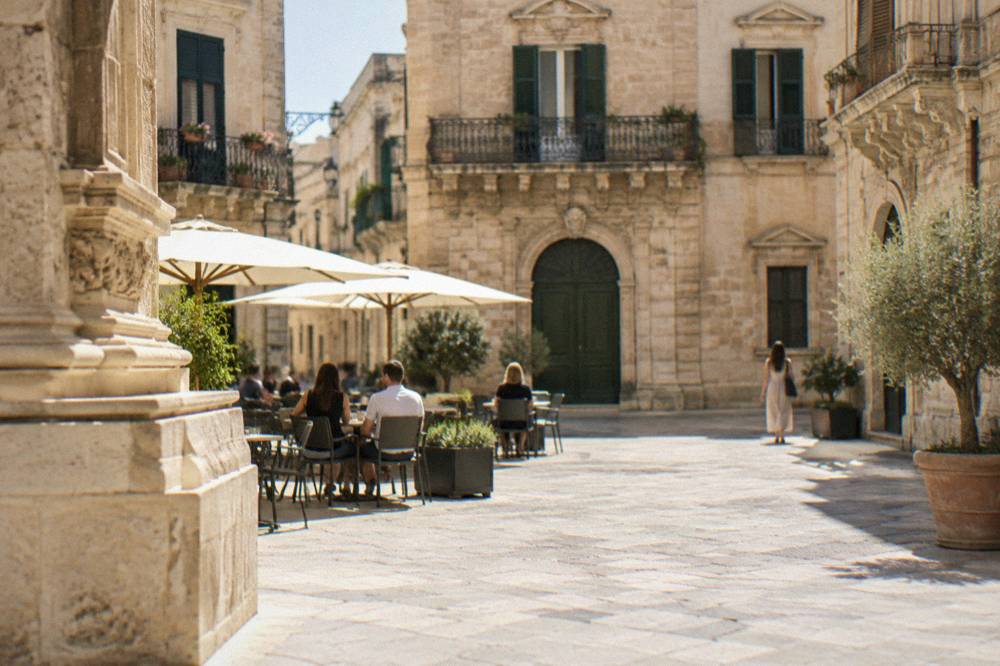
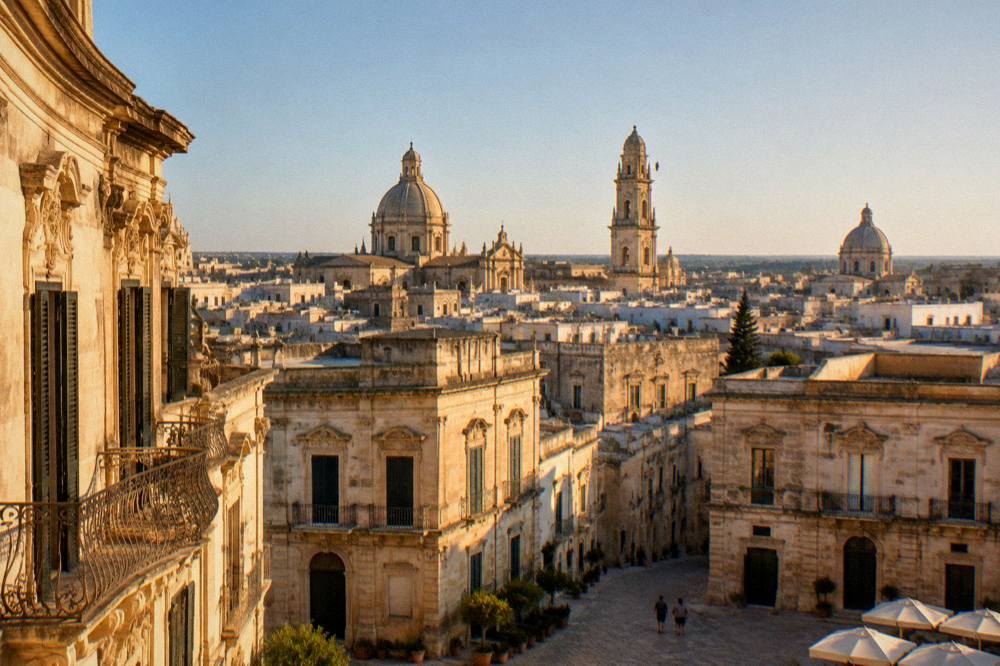
The station stands at the southern edge of Lecce's historic centre, on the edge of the baroque core rather than inside it, and Lecce is compact enough that the walk from the platforms to the main squares passes through the old town almost immediately. San Cataldo, the nearest beach, is about 12.9 km away by road, so the sea is not part of the arrival, but the Duomo, Piazza Sant'Oronzo and the amphitheatre all sit within the level grid north of the tracks.
The geography matters more here than in most Italian cities, because Lecce's centre is genuinely small and genuinely flat. The station area itself is functional rather than beautiful: a piazza, taxi ranks, bus stops for the SGM city network, and a steady flow of regional travellers. Walk north and the stone changes. The pietra leccese, the soft Miocene limestone that hardens with exposure and carries the city's carved decoration, appears on facades within a few blocks.
Two practical notes frame everything else on this page. First, the ZTL, the camera-policed limited traffic zone covering the historic centre, is active on weekdays in reported windows around 13:00 to 16:30 and 20:00 to 10:00, and around the clock on Sundays and holidays, which is why arriving by train beats driving in. Second, the station is the natural base for the whole peninsula: the FSE lines described below reach the coast towns that make Salento day trips work without a car. For the fuller arrival picture, including flights into Brindisi, see the getting to Lecce guide.
Which Trains Run From Lecce Station, And How Long Do The Reported Journeys Take?
Trenitalia runs Lecce's northbound line along the Adriatic, with reported journeys of about 18 to 24 minutes to Brindisi from about 3.40 euro, a fastest reported time of about 1 hour 19 to 24 minutes to Bari Centrale, a direct reported time of about 5 hours 58 minutes to 6 hours 16 minutes to Rome from about 32 euro, and direct regional trains to Ostuni in about 39 to 51 minutes from about 7 euro.
These are reported journey times, not a timetable, and live schedules belong on an official planner.
The pattern is simple: Lecce is the end of the line, so every train that stops here starts here or finishes here. That has a quiet advantage for travellers, because boarding at the terminus means the train is usually already on the platform and seats are open at the start of the journey.
| Destination | Network | Reported journey time | Reported fare from |
|---|---|---|---|
| Brindisi | Trenitalia | about 18 to 24 min | about 3.40 euro |
| Bari Centrale | Trenitalia | fastest about 1 h 19 to 1 h 24 | regional about 9 to 13 euro, fast trains about 18 to 24 euro |
| Ostuni | Trenitalia | direct, about 39 to 51 min | about 7 euro |
| Polignano a Mare | Trenitalia | direct, about 1 h 09 to 1 h 21 | See current price |
| Rome (direct) | Trenitalia | about 5 h 58 to 6 h 16 | about 32 euro |
| Alberobello | Trenitalia + FSE | change required, about 2 h 30 to 3 h or more | See current price |
Naples is the one common question the reported data does not cover with a sourced journey time. Reaching Naples from Lecce means changing trains, and the connection should be checked on an official planner rather than guessed at; the Naples to Lecce guide covers the planning shape of that route. For the two biggest northern corridors, the Bari to Lecce guide and the Rome to Lecce guide go into more detail.
For anyone landing at Brindisi airport, the airport bus is the reported standard: 6.50 euro one way and about 40 minutes, per the operator's own listing. The Brindisi airport to Lecce guide compares the options properly.
A station this well connected also makes guided introductions to the city easy to slot into an arrival day, and three of the locally listed options pair naturally with a train-first itinerary:
How Do The FSE Salento Trains Work From Lecce?
The Ferrovie del Sud Est (FSE) lines are based at Lecce and are the reason the city works as a car-free base: reported direct trains reach Gallipoli in about 1 hour 18 to 43 minutes from about 5 euro, Galatina in about 38 to 55 minutes from about 3 euro, and Otranto with a change at Maglie in about 1 hour 33 minutes to 2 hours or more. The FSE web is small, regional and slower than Trenitalia, but it touches the coast towns the national network never reaches.
The FSE system is the part of Lecce's rail story that surprises visitors. The national network stops at Lecce and goes north; FSE fans out south and west across the peninsula, through flat olive country, to the two seas. Zollino and Maglie are the junction points, and the Otranto branch in particular is a change-at-Maglie affair, with the reported Maglie to Otranto leg taking about 29 to 30 minutes.
| Route | Reported journey time | Notes |
|---|---|---|
| Lecce to Gallipoli | direct, about 1 h 18 to 1 h 43 | from about 5 euro |
| Lecce to Galatina | direct, about 38 to 55 min | from about 3 euro |
| Lecce to Otranto | about 1 h 33 to 2 h or more | change at Maglie |
| Lecce to Alberobello | about 2 h 30 to 3 h or more | Trenitalia with a change onto FSE |
Gallipoli's old town sits on a limestone island linked to the mainland by a historic bridge, and the station puts you a short ride from it. Galatina carries the Basilica di Santa Caterina d'Alessandria, which is listed as free to enter with split morning and afternoon hours. Otranto's cathedral holds the famous floor mosaic dated 1163 to 1165 by the priest Pantaleone, and since 1 March 2026 the Diocese of Otranto's notice states that groups and visitors with a licensed guide pay 2 euro, while independent visitors enter free.
One caution from the reported data: Lecce to Nardo has no sourced journey time in the research, so nothing is claimed here. FSE timetables are seasonal and the official site is the place to confirm any specific connection before committing a day to it.
How Much Do FSE Tickets Cost In 2026?
Reported FSE single fares in 2026 run on a distance scale from 1.30 euro for a 1 to 10 km journey up to 5.40 euro for a 51 to 60 km journey, which makes Salento travel by train unusually cheap compared with driving and parking. The two reported endpoints of the scale are the only figures stated here, and the exact band for any route belongs on the FSE tariff page.
| Reported FSE band (2026) | Single ordinary fare |
|---|---|
| 1 to 10 km | 1.30 euro |
| 51 to 60 km | 5.40 euro |
The practical reading of that scale is straightforward. The longest Salento journeys from Lecce, such as the run down towards Gallipoli or out towards Otranto with its change at Maglie, sit in the upper bands, and even those are reported at single figures in euro. Season tickets exist for regular travellers, but a visitor making two or three round trips across a week pays the ordinary single each way.
Two things to confirm at booking rather than assume. First, whether a specific branch is running rail or a bus replacement on the travel date, since FSE operates some segments with replacements and the official channels carry those notices. Second, where tickets are bought: the network's own channels are the reference point, and buying on board where available carries a reported surcharge on the comparable Salento in Bus coach network, which is a separate summer service described in the getting around Lecce guide.
Is The Station Area Safe, And Where Can You Leave Luggage?
Lecce's safety reputation is that of a low-crime provincial city: petty theft and pickpocketing are the main concerns raised for visitors, not violent crime, and the station piazza behaves like a normal Italian terminus at night rather than a place to avoid. Reported luggage storage via app networks runs at about 2.50 to 3.50 euro per day at shops around the station, bookable through the apps, with some locations offering extended hours.
The luggage point matters for a specific reason: Lecce is a terminus, and the FSE day trains to Gallipoli or Otranto leave in the morning and return in the evening, so a traveller who wants a full coast day without a hotel check-in needs somewhere for the bags. The app-based networks place partners at or beside the station, typically newsagents and shops, and the reported day rate is a few euro.
On safety, the honest framing is that Lecce is a small university city of about 94,387 residents with roughly 20,774 students enrolled at the Università del Salento, and the evening streets between the station and the centre are busy rather than deserted. Normal city caution applies, bags zipped in crowds, and the fuller picture, including the coastal towns, is in the walking around Salento at night answer. If an evening arrival is planned, where to stay in Lecce matters more than the station itself, because the ZTL and the one-way streets make a hotel near the centre far more useful than one by the tracks.
What Can You Do Within An Easy Walk Of The Station?
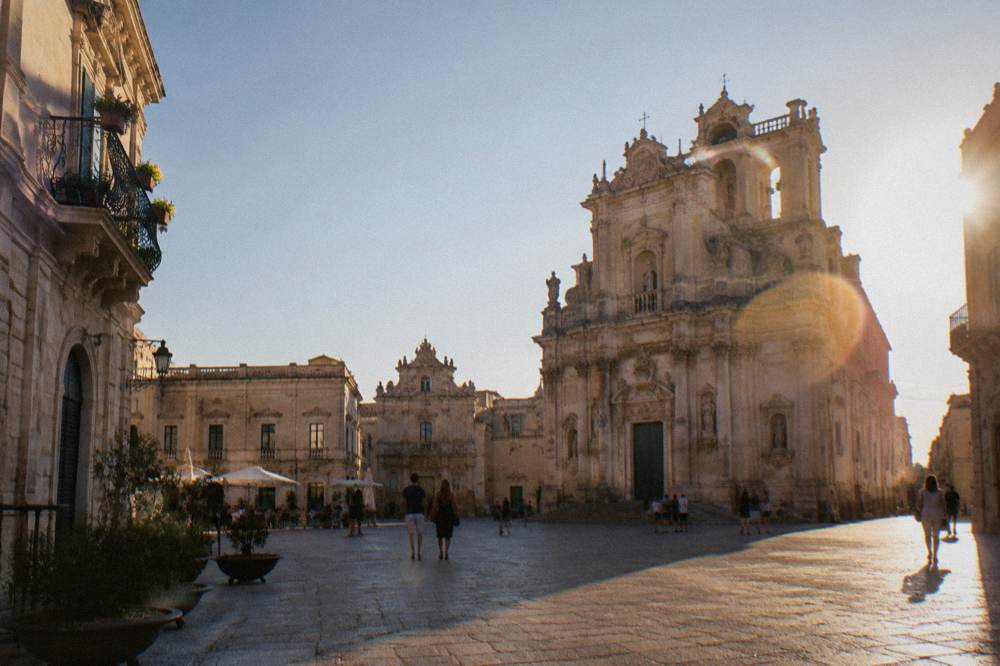
The baroque core starts a few minutes north of the platforms: Piazza Sant'Oronzo and the Roman amphitheatre, visible free from the piazza, the Duomo circuit on the LeccEcclesiae combined ticket at 11 euro standard, and the free public spaces of Porta Napoli and the Villa Comunale, all sit within the compact old town grid. The station is close enough that a long lunch between trains is a real option, and the main sights need no transport at all.
The LeccEcclesiae ticket is the key purchase for church interiors. The chieselecce.it info page lists the standard ticket at 11 euro full, 5 euro reduced for ages 12 to 17, and 24 euro for a family of two adults plus minors aged 12 to 17, valid for 15 days, covering the Duomo with its crypt, the Basilica di Santa Croce, San Matteo, Santa Chiara and the Antico Seminario with the Museo d'Arte Sacra. The full ticket adding the bell tower ascents is listed at 21 euro. Hours are daily 9:00 to 21:00 in summer and 9:00 to 18:00 in winter, with under-12s free.
| Sight near the station walk | Ticket | Hours (as listed) |
|---|---|---|
| LeccEcclesiae combined ticket (Duomo, Santa Croce, San Matteo, Santa Chiara, Antico Seminario) | 11 euro standard, 5 euro reduced, 21 euro with bell tower | daily 9:00 to 21:00 summer, 9:00 to 18:00 winter |
| Roman amphitheatre, seen from Piazza Sant'Oronzo | free from the piazza | open public space |
| Castello Carlo V courtyard | free; interior by guided tour at 10 euro | tours Tuesday to Sunday |
| Museo Faggiano | 5 euro | every day 9:30 to 20:00 |
| Porta Napoli, Villa Comunale, Piazza Sant'Oronzo | free | open public space |
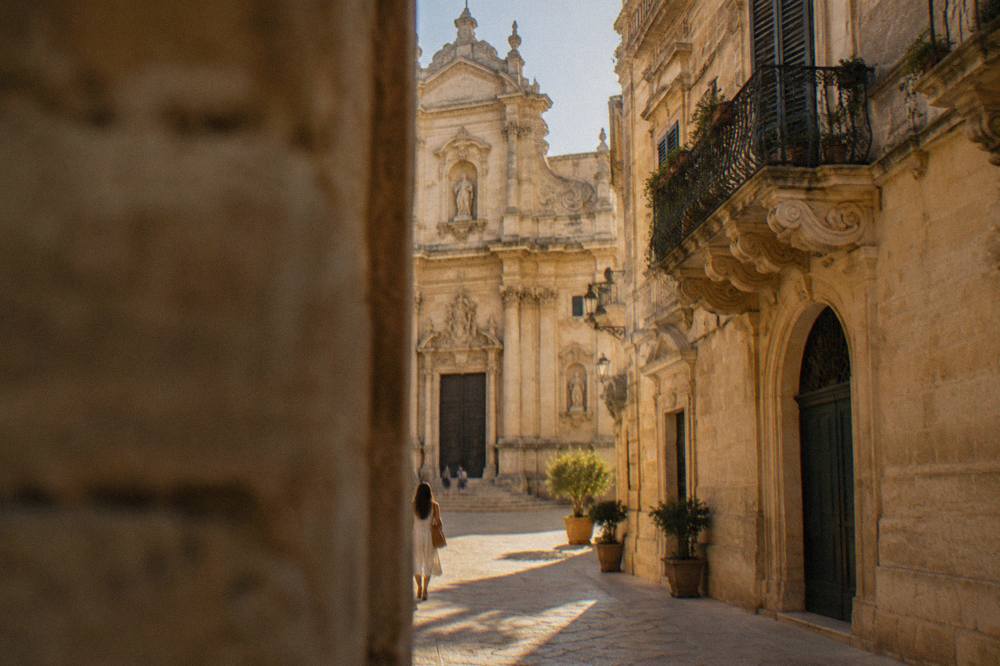
The Lecce Baroque guide and the baroque walk itinerary cover the architecture in depth, and the wider things to do in Lecce page collects the full list. For a first hour off the train, the free sequence is hard to beat: Porta Napoli, the Villa Comunale, then Piazza Sant'Oronzo with the amphitheatre below street level, all before any ticket is bought.
Food is the other reason the station location works. The what to eat in Lecce guide maps the city's specialities, from the rustico leccese to the iced espresso with almond milk credited to Antonio Quarta of Quarta Caffe in the 1940s to 1950s, and the pasticciotto page covers the custard pastry that a Galatina shop claims since 1745, a claim historians dispute. A guided tasting walk turns that list into a lunch:
The Jewish quarter adds a deeper layer to the same walk. The ancient synagogue beneath street level is one of the more unusual visits in the city, and the guided tour of the quarter is the natural pairing with a morning arrival:
What Time Of Year Suits A Train Arrival In Lecce?
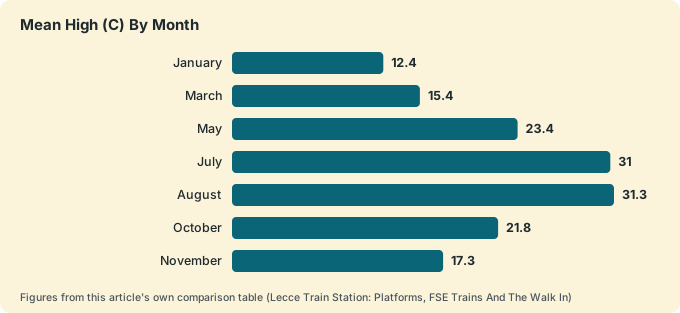
The ERA5 reanalysis for 1991 to 2020 shows mean highs running from 12.4 C in January to 31.3 C in August and mean lows from 6.7 C in January to 22.2 C in August, with November carrying the highest monthly rainfall at 93.7 mm and July the lowest at 15.3 mm, so spring and autumn balance comfortable walking weather against thinner crowds. These are modelled normals for a grid cell near Lecce, not a weather-station record.
| Month | Mean high (C) | Mean low (C) | Rain (mm) |
|---|---|---|---|
| January | 12.4 | 6.7 | 63.1 |
| March | 15.4 | 8.3 | 64.9 |
| May | 23.4 | 14.7 | 39.9 |
| July | 31.0 | 21.7 | 15.3 |
| August | 31.3 | 22.2 | 18.1 |
| October | 21.8 | 15.4 | 91.3 |
| November | 17.3 | 11.7 | 93.7 |
For a trip that mixes the city with the coast, the reported sea temperatures from seatemperature.org run at about 22.5 C in June, 25 to 27 C at the August peak, 20 to 22 C in October and about 14 C in February. The best time to visit Lecce guide and the Lecce weather page work through the seasons in more detail.
One seasonal transport note belongs here. The Salento in Bus summer coach network, which feeds the beaches from Lecce, ran 13 June to 13 September 2026 with its peak from 1 July to 31 August, on lines including the 101 towards Torre dell'Orso and Otranto and the 104 towards Porto Cesareo and Gallipoli. It is a summer-only service, the 2027 dates had not been announced, and outside its window the FSE trains plus local buses are the reported public options.
Do You Even Need A Car Once You Arrive By Train?
For the city itself, no: Lecce's historic centre is compact, walkable and closed to through traffic by the camera-policed ZTL, and the FSE trains plus the seasonal summer coaches cover the main Salento coast towns. A car earns its keep for the inland villages and flexible timing, and the reported free-flow drive times from Piazza Sant'Oronzo to the main destinations are all under an hour and a half.
| Destination from Piazza Sant'Oronzo | Reported free-flow drive |
|---|---|
| San Cataldo | 12.9 km, about 14 min |
| Porto Cesareo | 28.0 km, about 34 min |
| Torre dell'Orso | 27.9 km, about 32 min |
| Gallipoli | 41.0 km, about 41 min |
| Otranto | 46.7 km, about 44 min |
| Santa Maria di Leuca | 83.2 km, about 78 min |
| Brindisi | 39.8 km, about 35 min |
The honest trade-off runs like this. Trains reach Gallipoli, Galatina and Otranto (with the Maglie change) directly and cheaply, and the beaches near Lecce guide covers the coast options, including the lido prices reported for 2026. But the smaller inland stops, the masseria countryside and the freedom to linger past the last FSE departure argue for wheels, and the car rental and driving in Lecce guide covers the ZTL, the Park Liberty car park with its 466 spaces near the centre, and the blue-zone pricing. Anyone who drives in should ask their accommodation about plate registration for the ZTL before doing so.
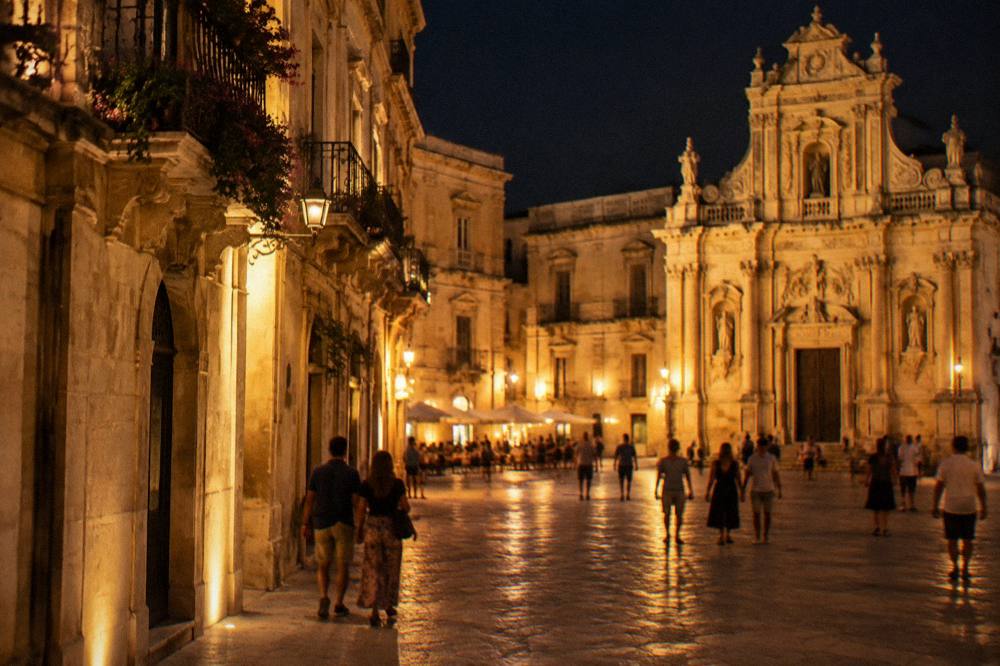
Evenings are where the car question dissolves, because Lecce at night is a walking city. The piazza culture, the passeggiata, the ice cream after dinner: none of it needs transport. And one listed evening option takes the idea further, out to a lost ancient site in the countryside near the city, run after dark:
Common Questions About Lecce Train Station
## Common Questions About Lecce Train Station should carry the closing questions, so here they are as the final section.
Common Questions About Lecce Train Station
Is Lecce train station far from the Old Town?
No. The station stands at the southern edge of the historic centre, and the baroque core begins within a short level walk of the platforms. Piazza Sant'Oronzo, the Duomo and the amphitheatre all sit in the compact grid north of the station, so no transport is needed for the main sights.
Does Lecce have an airport as well as a station?
Lecce has no commercial airport. The gateway is Brindisi (BDS), about 47.6 km and roughly 43 minutes by road from Piazza Sant'Oronzo, with a reported airport bus at 6.50 euro one way and about 40 minutes per the operator's listing. From Brindisi station, trains to Lecce are reported at about 18 to 24 minutes.
Can you reach Gallipoli and Otranto by train from Lecce?
Yes, on the FSE regional lines. Gallipoli is reported as a direct run of about 1 hour 18 to 43 minutes from about 5 euro. Otranto requires a change at Maglie, with the whole journey reported at about 1 hour 33 minutes to 2 hours or more. Galatina is direct in about 38 to 55 minutes from about 3 euro.
Where can you leave luggage near Lecce station?
App-based storage networks place partners at or beside the station, typically newsagents and shops, at a reported rate of about 2.50 to 3.50 euro per day, bookable through the apps. Some locations offer extended or around-the-clock hours. Confirm the exact location and opening times when booking.
Is Lecce station safe at night?
Lecce's reputation is a low-crime provincial city where petty theft and pickpocketing are the main concerns raised for visitors. The station piazza behaves like a normal Italian terminus in the evening, and the streets towards the centre are busy. Normal city caution applies, as anywhere.
Do you need a car if you arrive in Lecce by train?
Not for the city, and not for the main coast towns in summer, when the Salento in Bus coaches and FSE trains cover them. A car helps for inland villages and flexible timing. Anyone driving into the centre should ask their accommodation about ZTL plate registration first.
The short version of all of it: Lecce's station is not an obstacle between you and the city, it is the reason the city is reachable at all. Two networks, one terminus, a level walk north into the baroque, and a peninsula of trains beyond it. Check live times on the official planners before you travel, and everything else on this page holds.