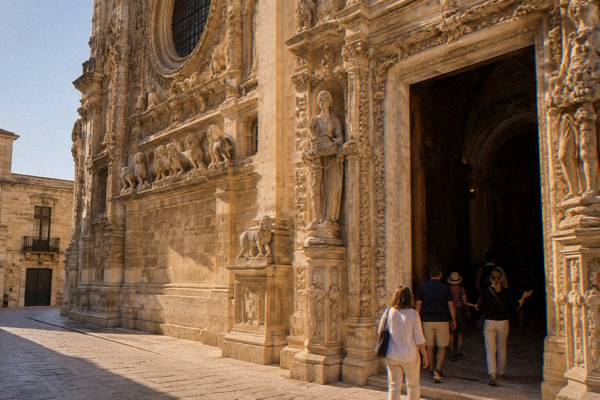
LeccEcclesiae: The Lecce Churches Ticket Explained
One combined ticket covers the Duomo, Santa Croce, San Matteo, Santa Chiara and the Antico Seminario. Here is what it costs, what the bell tower option adds, and when the churches are open.
Short answer
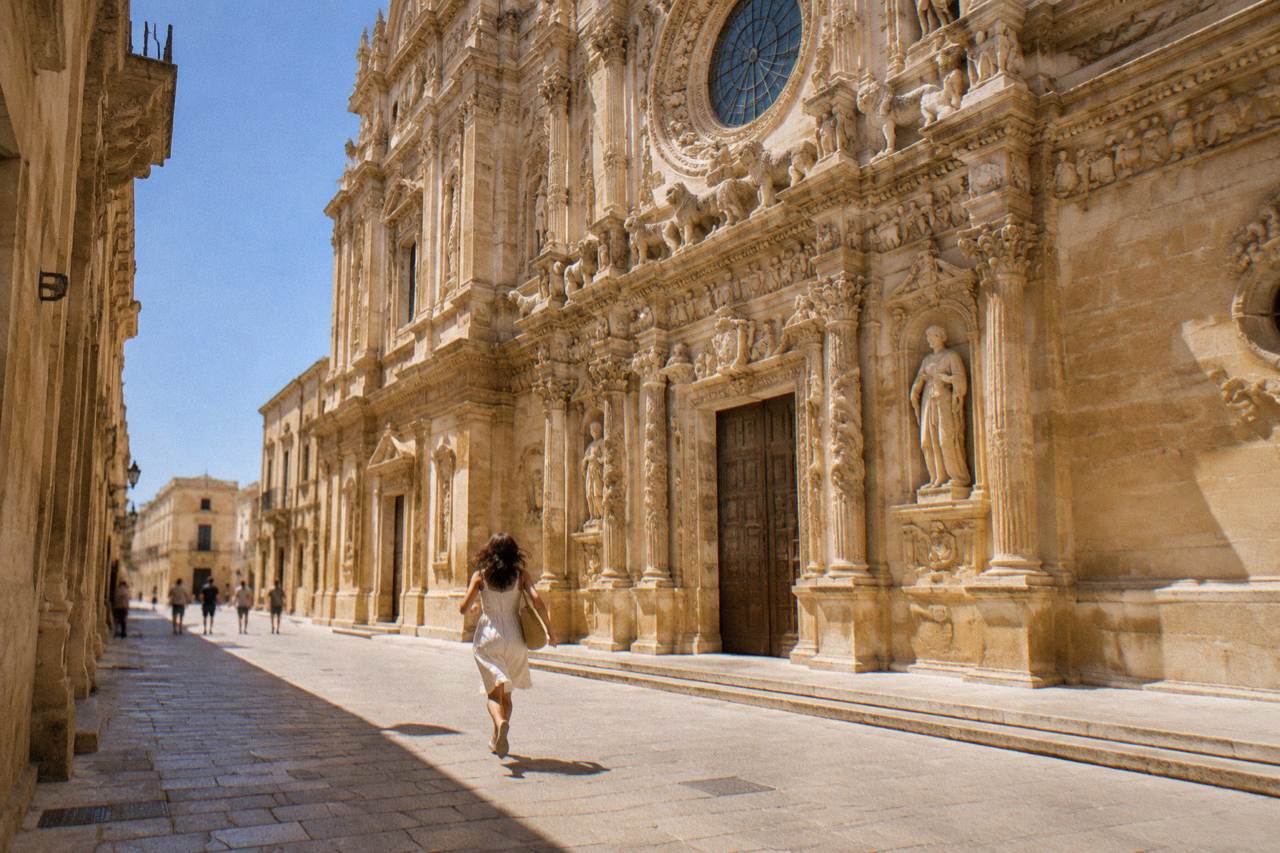
The LeccEcclesiae combined ticket in Lecce costs 11 euro standard (5 euro ages 12 to 17, 24 euro family) and covers five church sites for 15 days; the version with the Duomo bell tower costs 21 euro.
Lecce, the baroque capital of Salento in Puglia, southern Italy, sells its main churches on one combined ticket called LeccEcclesiae, run by the Archdiocese of Lecce through chieselecce.it. The ticket bundles the Duomo with its crypt, the Basilica di Santa Croce, the Chiesa di San Matteo, the Chiesa di Santa Chiara and the Antico Seminario with the MuDAS art museum, and it stays valid for 15 days. This page explains the prices, the bell tower option, the opening hours and how the combined ticket compares with the single-site alternatives around the old town, so a visitor can decide before standing at the booth in Piazza del Duomo.
What Is The Lecce Churches Ticket And What Does It Cover?
The Lecce churches ticket, sold as LeccEcclesiae, is a combined entry pass from the Archdiocese of Lecce that covers five sites: the Duomo di Lecce with its crypt, the Basilica di Santa Croce, the Chiesa di San Matteo, the Chiesa di Santa Chiara, and the Antico Seminario with the Museo d'Arte Sacra (MuDAS). Chieselecce.it's own information page lists exactly these five locations, and the standard ticket stays valid for 15 days from first use, so the sites do not all have to be seen in one day.
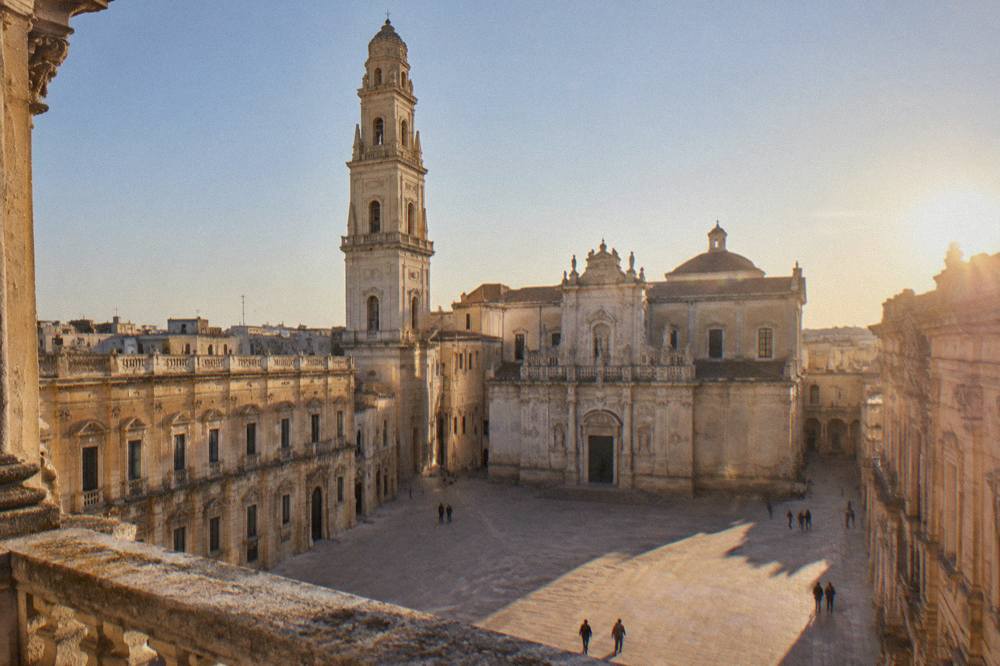
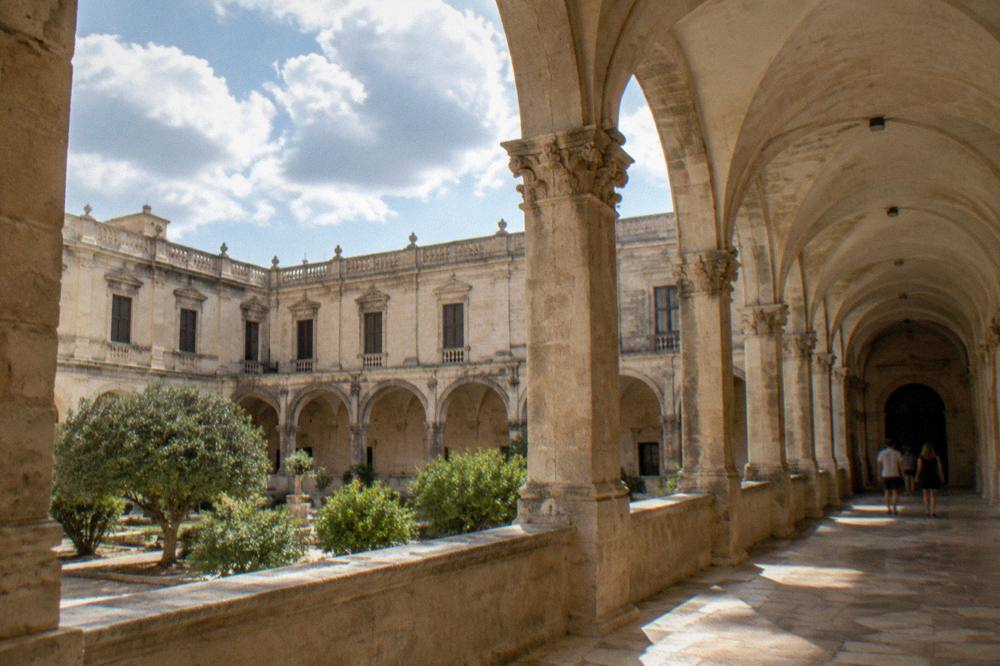
The point of the bundle is that these are the working baroque churches at the core of the old town, not a museum circuit behind a single door. The Duomo sits in its own enclosed piazza a short walk from Santa Croce, and San Matteo and Santa Chiara are threaded through the streets between them. The Antico Seminario, beside the Duomo, holds the MuDAS sacred art collection and its cloister, which can also be entered on a small standalone option described further down this page.
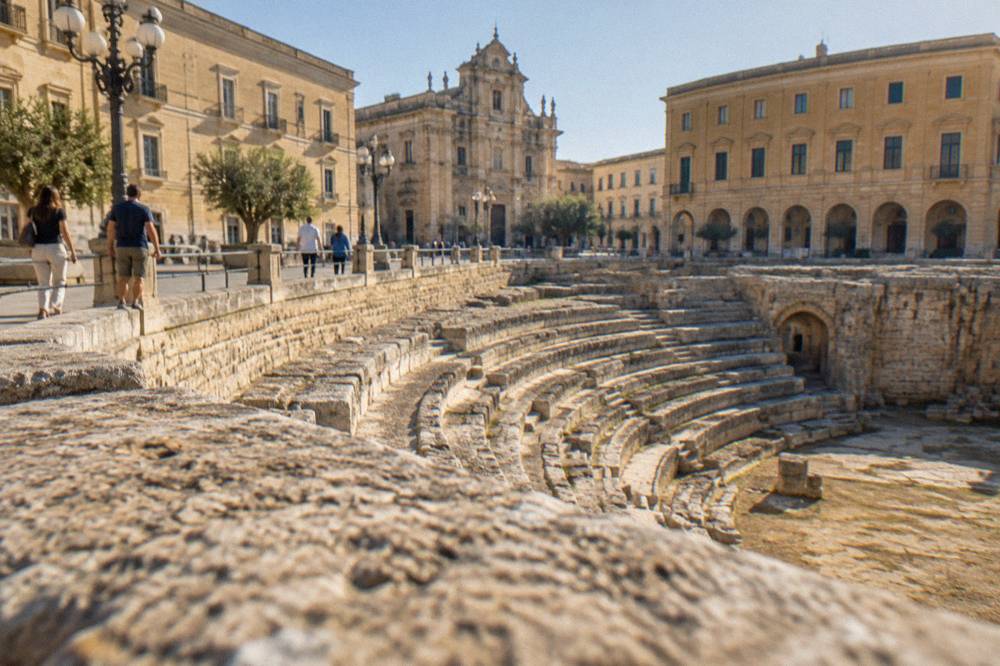
What the ticket does not cover is equally worth knowing. The Roman Amphitheatre in Piazza Sant'Oronzo, the Castello Carlo V, Museo Faggiano and the Museo Ebraico each sell their own entry, and none is bundled into LeccEcclesiae. A separate city pass product exists, described later, that layers the church ticket together with other sites. For the churches themselves, chieselecce.it's page is the reference for what is included, and this guide follows it.
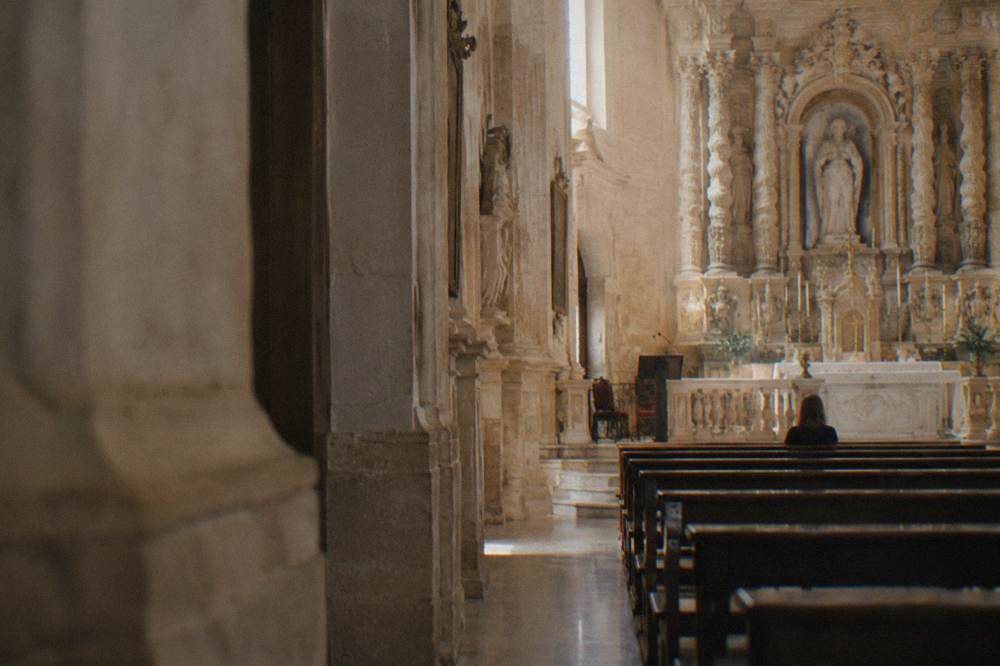
The churches are also active places of worship. Chieselecce.it's information page states that access is limited during religious services and that tourist visits pause while services are under way, so a church can be briefly closed to ticket holders even inside opening hours. More context on each building sits in the site's Lecce Baroque guide.
How Much Does The LeccEcclesiae Ticket Cost?
The standard LeccEcclesiae ticket costs 11 euro full price, 5 euro reduced for ages 12 to 17, and 24 euro for a family of two adults with children aged 12 to 17, according to chieselecce.it. The version with the Duomo bell tower, branded "Up!", costs 21 euro full, 13 euro reduced and 48 euro family. Children under 12 enter free. The version that adds the Duomo bell tower, branded "Up!", costs 21 euro full, 13 euro reduced and 48 euro for the family ticket. Children under 12 enter free on either version, and the standard ticket remains valid for 15 days from first use.
Those are the two tiers, and the difference between them is a single decision: whether the bell tower is worth the extra. The "Up!" option includes an ascent of the Duomo's campanile, with chieselecce.it noting that tower access runs at intervals of roughly every 20 minutes, so visitors are assigned a slot rather than climbing at will. The view from the top takes in the rooftops of the old town and, on clear days, the flat Salento plain stretching toward the Adriatic.
| Ticket | Full | Reduced (12 to 17) | Family (2 adults + minors 12 to 17) | Under 12 |
|---|---|---|---|---|
| LeccEcclesiae standard | 11 EUR | 5 EUR | 24 EUR | Free |
| LeccEcclesiae with bell tower "Up!" | 21 EUR | 13 EUR | 48 EUR | Free |
Reduced eligibility beyond the youth band, and any concessions for students or groups, are not spelled out on the page this guide follows, so the advice is to ask at the ticket points in Piazza Duomo 5 or at the Basilica di Santa Croce, the two sales points chieselecce.it names. Diocese residents enter free with ID.
For travellers building a fuller stay, the site's Lecce in two days itinerary spaces the five church sites across two days, which the 15-day validity makes easy, and the best time to visit Lecce guide explains how church opening hours shift between the summer and winter schedules.
When Are The Lecce Churches Open, And Where Do You Buy The Ticket?
All five LeccEcclesiae sites are open daily from 9:00 to 21:00 in the summer period of April to September, and from 9:00 to 18:00 in the winter period of October to March, with last entry 15 minutes before closing, per chieselecce.it. Tickets are sold at Piazza Duomo 5 and at the Basilica di Santa Croce. From October, the winter schedule applies, so an evening visit after 18:00 is not possible.
The two schedules matter for planning more than a first-time visitor might expect. In summer the 21:00 close means the Duomo and Santa Croce can be visited after dinner, when the crowds around the old town thin out and the pietra leccese facades catch the evening light. In winter the 18:00 close pushes churches into the daytime itinerary, and the midday pause for services, which chieselecce.it's page flags, can remove an hour or so from the middle of the day.
| Period | Daily hours | Last entry |
|---|---|---|
| April to September (summer) | 9:00 to 21:00 | 20:45 |
| October to March (winter) | 9:00 to 18:00 | 17:45 |
The dress code is enforced: shoulders and knees must be covered, which in Salento's summer heat means carrying a light scarf or wrap rather than relying on the ticket desk to supply one. Chieselecce.it also notes that free access for prayer continues during services, with ticketed tourist access limited at those times.
A guided walk is one way to arrive at the churches already understanding what is inside them. The site's featured Understand Lecce small-group history tour is built around exactly this, and Check availability before locking in the rest of a day. Tip-based walks also run locally in Lecce; confirm the arrangement directly with the guide.
Is The Bell Tower Option Worth The Extra?
The bell tower "Up!" option costs 10 euro more than the standard ticket (21 euro against 11 euro full price) and adds a timed ascent of the Duomo's campanile in lifts and stairs, with ascents roughly every 20 minutes per chieselecce.it. Whether that is worth it depends on the day: the tower gives the widest view available of Lecce's roofline and the flat Salento plain, and there is no comparable viewpoint in the old town.
The campanile beside the Duomo is one of the defining silhouettes of the city, and the "Up!" experience is the only way up. Visitors who skip it still see the five church interiors in full; nothing inside the buildings themselves is held back from the standard ticket. The choice is purely about the panorama and the elevator access the full ticket provides.
Practical notes for the climb: slots are assigned at regular intervals, so a visit late in the day in summer can coincide with the best light over the terracotta roofs toward the Adriatic. In winter the last ascent sits well before the 17:45 last entry, so anyone wanting the tower should start the church circuit early. Chieselecce.it's Duomo page is the reference for how the ascent runs.
Which Other Lecce Sights Need Their Own Tickets?
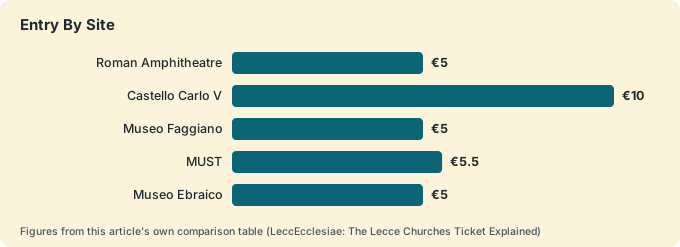
The LeccEcclesiae ticket covers only the five church sites; the Roman Amphitheatre (5 euro full, 2 euro reduced), the Castello Carlo V (guided tour only, 10 euro full), Museo Faggiano (5 euro) and the Museo Ebraico (5 euro, guided visits only) each sell separate entry. None of these can be added to the church ticket at the desk, so a full old-town sightseeing day usually means two or three separate purchases.
| Site | Entry | Notes |
|---|---|---|
| Roman Amphitheatre | 5 EUR full, 2 EUR reduced | Tue to Sun; visible free from Piazza Sant'Oronzo |
| Castello Carlo V | 10 EUR full tour, 6 EUR reduced | Interior by guided tour only; courtyard free |
| Museo Faggiano | 5 EUR, 3 EUR ages 8 to 16 | Daily 9:30 to 20:00; under 8 free |
| MUST | 5.50 EUR full, 3.50 EUR reduced | City history museum; closed Monday |
| Museo Ebraico | 5 EUR full, 4 EUR reduced | Guided visits only |
The amphitheatre deserves a specific note: it can be seen from above, free, from Piazza Sant'Oronzo at any time, and the paid entry is for the interior with its post-restoration accessible entrance. The Castello Carlo V, similarly, has a free courtyard while the interior and the Museo della Cartapesta inside it are reached only on the timed guided tour. Both are covered in detail in the site's Castello Carlo V guide and Roman Amphitheatre guide.
A single product does bundle several of these: the Lecce Artwork City Pass, listed at 29 euro for 7 days, includes the LeccEcclesiae sites with the bell tower plus extras such as the Palazzo Vernazza experience. For a visitor planning to see the churches, climb the tower and visit Palazzo Vernazza, the pass can undercut buying separately, and it carries skip-the-line access where that applies. Chieselecce.it's own listings remain the check for what the pass includes this season.
How Does The Combined Ticket Compare With Single-Site Options?
For the five LeccEcclesiae sites the combined ticket is the only route in, but several neighbours sell their own cheaper entries: the MuDAS cloister alone is 1 euro, the museum 4 euro, and the Parco archeologico di Rudiae is 5 euro with weekend guided visits. A visitor with limited time can therefore assemble a cheaper half-day around single entries, while anyone intending to see both the Duomo complex and Santa Croce will find the 11 euro bundle the sensible default.
| Site | Standalone entry | Included in LeccEcclesiae? |
|---|---|---|
| Duomo and crypt | No standalone | Yes |
| Basilica di Santa Croce | No standalone | Yes |
| Chiesa di San Matteo | No standalone | Yes |
| Chiesa di Santa Chiara | No standalone | Yes |
| Antico Seminario / MuDAS | 1 EUR cloister, 4 EUR museum | Yes |
| Parco archeologico di Rudiae | 5 EUR, 4 EUR reduced | No |
The practical split is this: the four churches themselves are not sold individually, so the combined ticket is not really a bundle choice but the standard cost of entry to Lecce's ecclesiastical core. The genuine choices are the bell tower upgrade, the MuDAS-only option for visitors short on time, and the city pass for those adding non-church sites. More of these guides are collected on Lecce Travel Guide.
Sant'Irene and the Basilica del Rosario, two further baroque churches in the old town, sit outside the LeccEcclesiae system. Their hours and any entry arrangements should be confirmed on the spot. For the visitor piecing together a route, the site's Lecce in one day itinerary sequences the ticketed churches with the free squares and gates.
What Should Families And Young Visitors Know About The Lecce Ticket?
Children under 12 enter every LeccEcclesiae site free on both ticket versions, ages 12 to 17 pay the reduced rate of 5 euro standard or 13 euro with the bell tower, and the family ticket caps the cost at 24 euro standard or 48 euro with the tower for two adults plus 12-to-17-year-old minors. The 15-day validity means a family can spread the five sites across a week rather than rushing them into one tired afternoon.
The family ticket is the one line worth reading closely before buying. It is defined as two adults travelling with minors aged 12 to 17, and because under-12s are free anyway, the family price effectively covers the reduced youth tickets in one purchase. A family with children under 12 only needs two adult tickets at 11 euro each, and a family with teenagers should compare 24 euro against two adults plus each teen at 5 euro before choosing.
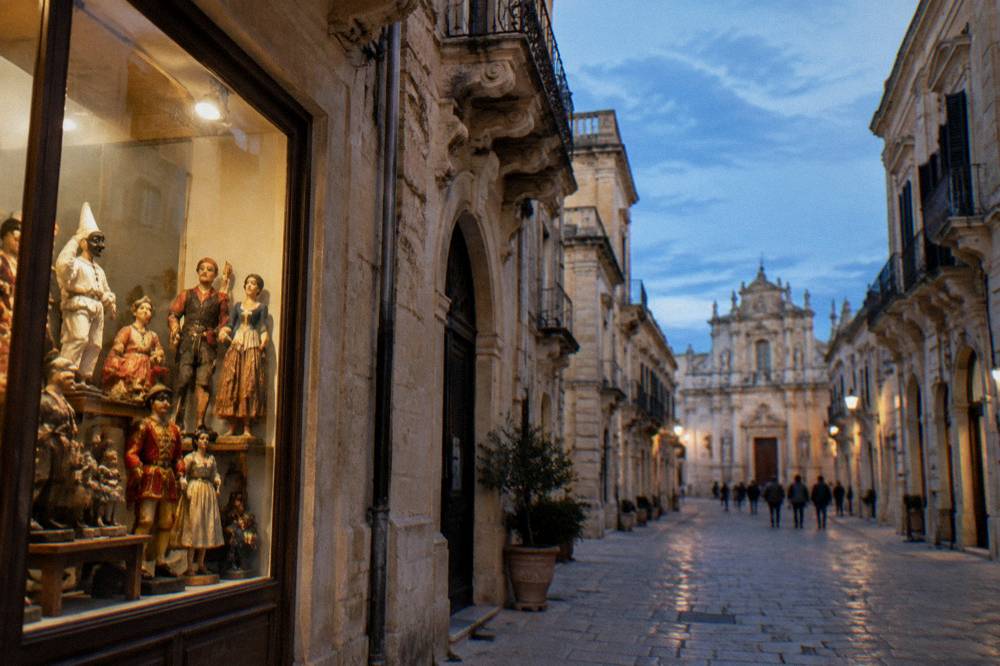
The churches reward short visits with children more than long ones: the Duomo's crypt, Santa Chiara's intimate interior and the papier-mache figures associated with Lecce's craft tradition tend to hold young attention better than long facades. The Lecce papier mache guide explains the cartapesta tradition that fills many of these churches with figures, and there is a hands-on workshop option.
How Do You Fit The Five Church Sites Into A Day?
The five LeccEcclesiae sites sit within a compact loop of the old town, and with the 15-day ticket the sensible pattern is two clusters: the Duomo, its crypt, the bell tower and the Antico Seminario with MuDAS in one visit centred on Piazza del Duomo, then Santa Croce, San Matteo and Santa Chiara in a second walk toward the western old town. Nothing obliges a single-day sweep.
A morning works well for the first cluster. The Duomo piazza is quietest early, the crypt is at the foot of the cathedral, and the Antico Seminario's cloister adjoins it, so one ticket scan covers a dense group. The bell tower, if bought, slots in on the assigned 20-minute interval. After a long lunch, the second cluster takes in Santa Croce on its dramatic facade-facing street, then San Matteo and Santa Chiara, both a few minutes apart on foot, before the winter 18:00 close or the summer 21:00 one.
The midday service pause is the main scheduling hazard. Chieselecce.it states that tourist visits are limited during services, and Sunday mornings are naturally the busiest with worship, so the afternoon is the safer window for the Duomo itself. The free things to do in Lecce guide lists the squares, gates and streets that fill any gaps in the schedule at no cost.
Can You Buy The Lecce Churches Ticket In Advance?
Chieselecce.it names two physical sales points, Piazza Duomo 5 and the Basilica di Santa Croce, and the ticket's own site is where to check for an online purchase option. The 15-day validity removes the pressure, though: with no single timed slot, a traveler arriving in Lecce without a ticket can buy one on arrival and use it across the whole stay. The 15-day validity removes the pressure that makes advance buying matter elsewhere: there is no single timed slot, so a traveller arriving in Lecce without a ticket can buy one on arrival and use it across the whole stay.
Groups should plan differently. Otranto's cathedral set a precedent in the region from 1 March 2026, when the Diocese of Otranto's notice introduced a 2 euro per-person charge for groups and guided visitors, and church ticketing across Salento increasingly distinguishes independent visitors from organised ones. Any group visiting the Lecce churches should confirm arrangements for guided parties when booking, since the standard chieselecce.it prices this page reports are individual ones.
For travellers who prefer a guide to a self-led visit, guided products that include church entry run from Lecce. The Duomo and Santa Croce guided tour is built around the two headline churches, and Check availability if that format suits. Otherwise, the combined ticket plus the site's Lecce walking tour guide covers the same ground independently.
What Changes In Lecce Church Opening Between Seasons?
The single seasonal change is the closing time: 9:00 to 21:00 from April to September and 9:00 to 18:00 from October to March. The 9:00 opening time does not move, and all five sites keep daily opening through the year, which makes Lecce one of the easier Italian church cities to visit off-season; last entry is 15 minutes before close on both schedules, per chieselecce.it. The opening time, 9:00, does not move, and all five sites keep daily opening through the year, which makes Lecce one of the easier Italian church cities to visit off-season.
The winter schedule rewards planning. With an 18:00 close and the midday service pause, the usable window compresses, and the three clusters described above fit better as two separate walks. Summer flips the problem: heat in July and August, when the ERA5 reanalysis 1991-2020 shows mean daily highs around 31 C, makes the middle of the day heavy going, and the 21:00 close invites evening church visits instead.
Rain barely affects a church itinerary: the ERA5 reanalysis 1991-2020 puts November as the month with the highest rainfall total, 93.7 mm, and the sites are a short walk apart under arcades and facades. The Lecce weather guide carries the full monthly table for anyone timing a trip around it.
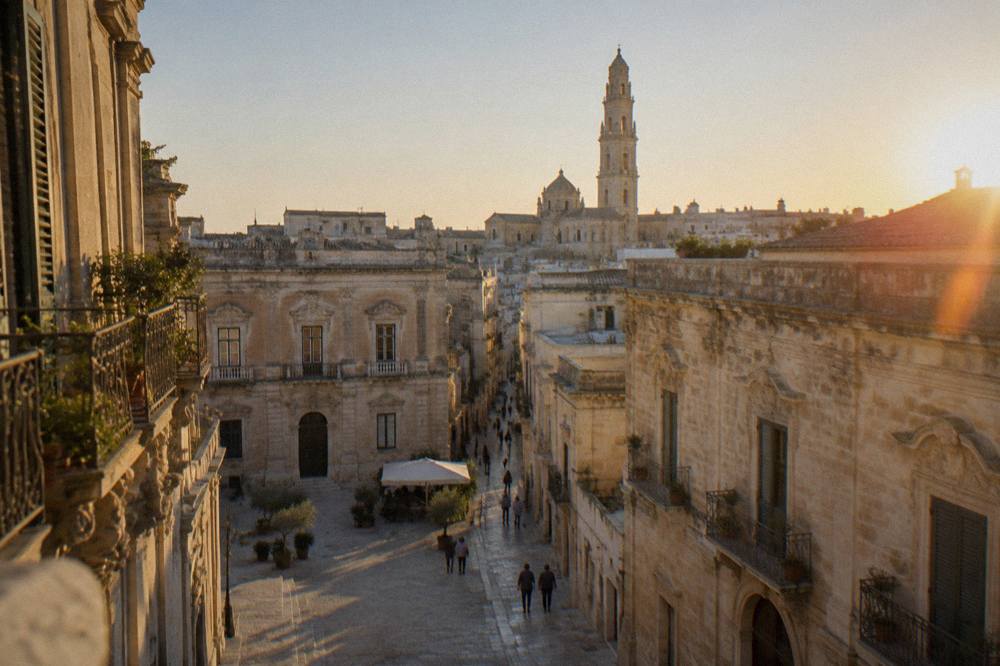
Is The LeccEcclesiae Ticket Good Value Compared With Other Italian City Passes?
At 11 euro for five sites valid over 15 days, the LeccEcclesiae ticket prices each church visit at roughly 2 euro, which undercuts the typical single-entry price of comparable Italian monument circuits, and the 21 euro tower version still averages about 4 euro per site including the climb. The value calculation is straightforward because there is no standalone alternative for the churches themselves: the only comparison is against skipping sites, not against buying them separately.
Against the other Lecce tickets, the maths are different. The amphitheatre, castle and Faggiano each cost 5 or 10 euro for one site, so the church ticket's per-site cost is clearly lower. The 29 euro Artwork City Pass sits between the two LeccEcclesiae tiers and adds non-church extras, which makes it the better buy only when those extras, such as Palazzo Vernazza, are already on the list. The how expensive is Lecce guide sets these ticket prices in the context of a full daily budget.
One caveat belongs here rather than anywhere else: prices on this page come from the chieselecce.it listing and the site facts as gathered in October 2026, and church ticketing in the region has been changing, as the Otranto group charge introduced in March 2026 shows. Confirming the current price at one of the two named sales points, Piazza Duomo 5 or Santa Croce, is part of the visit rather than an extra precaution.
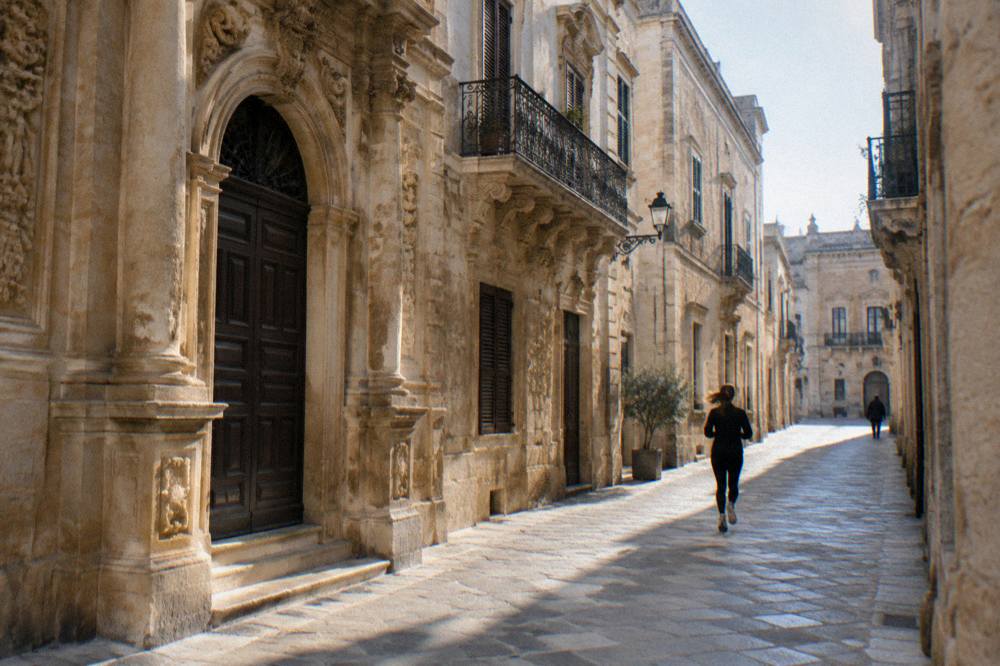
What Do People Get Wrong About The Lecce Churches Ticket?
The three recurring mistakes are assuming the churches are individually ticketed, assuming the bell tower is included in the 11 euro standard ticket, and assuming Lecce's churches are part of a national or UNESCO monument scheme, when in fact the ticket is diocesan, the tower is a paid upgrade, and Lecce is on Italy's UNESCO Tentative List rather than inscribed. Each mistake changes what a visitor budgets or expects at the door.
The first mistake leads people to try buying a Santa Croce-only ticket, which does not exist: the five sites move together on the LeccEcclesiae pass. The second leads to a surprise at the Duomo when the tower lift is not on the standard ticket; the "Up!" upgrade is the only route up the campanile. The third is more subtle: because "Salento and the Barocco Leccese" has sat on Italy's Tentative List since 2006, some guides describe Lecce as UNESCO-listed, and no UNESCO pass, discount or scheme applies to these churches.
A fourth, smaller error concerns the count of churches. No official figure exists for how many churches Lecce has, and sources vary widely, so any itinerary promising a specific number is guessing. What can be said is which churches the diocese sells together, and that is the five on this ticket. The what is Lecce famous for article covers the wider baroque reputation the churches carry.
Common Questions About The Lecce Churches Ticket
How much is the Lecce churches ticket?
The LeccEcclesiae combined ticket costs 11 euro full price, 5 euro reduced for ages 12 to 17, and 24 euro for a family ticket, with children under 12 free. The version with the Duomo bell tower costs 21 euro full, 13 euro reduced and 48 euro family.
What churches does the LeccEcclesiae ticket include?
It includes the Duomo di Lecce with its crypt, the Basilica di Santa Croce, the Chiesa di San Matteo, the Chiesa di Santa Chiara, and the Antico Seminario with the MuDAS sacred art museum.
How long is the Lecce churches ticket valid?
The ticket is valid for 15 days from first use, so the five sites can be spread across a whole stay rather than visited in one day.
Where can I buy the LeccEcclesiae ticket in Lecce?
Chieselecce.it names two sales points: Piazza Duomo 5 and the Basilica di Santa Croce. Check the diocese site for any advance online purchase option before travelling.
Are Lecce churches open on Sunday?
The five ticketed sites open daily, but tourist visits are limited during religious services, and Sunday mornings are busy with worship, so afternoon visits are the safer window. Dress with shoulders and knees covered.
Is the Duomo bell tower included in the standard ticket?
No. The bell tower ascent, branded "Up!", requires the full ticket at 21 euro, with ascents running about every 20 minutes per chieselecce.it.