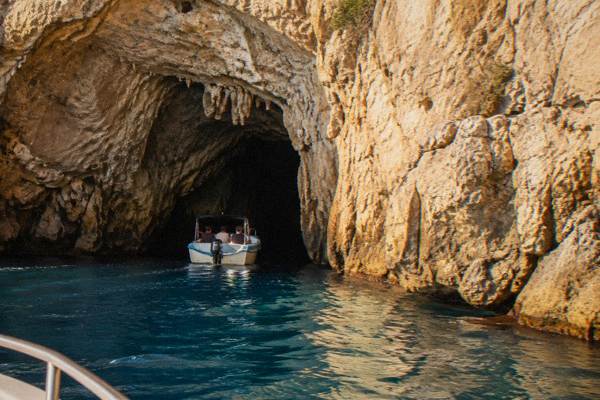
Pescoluse: The Maldives Of Salento
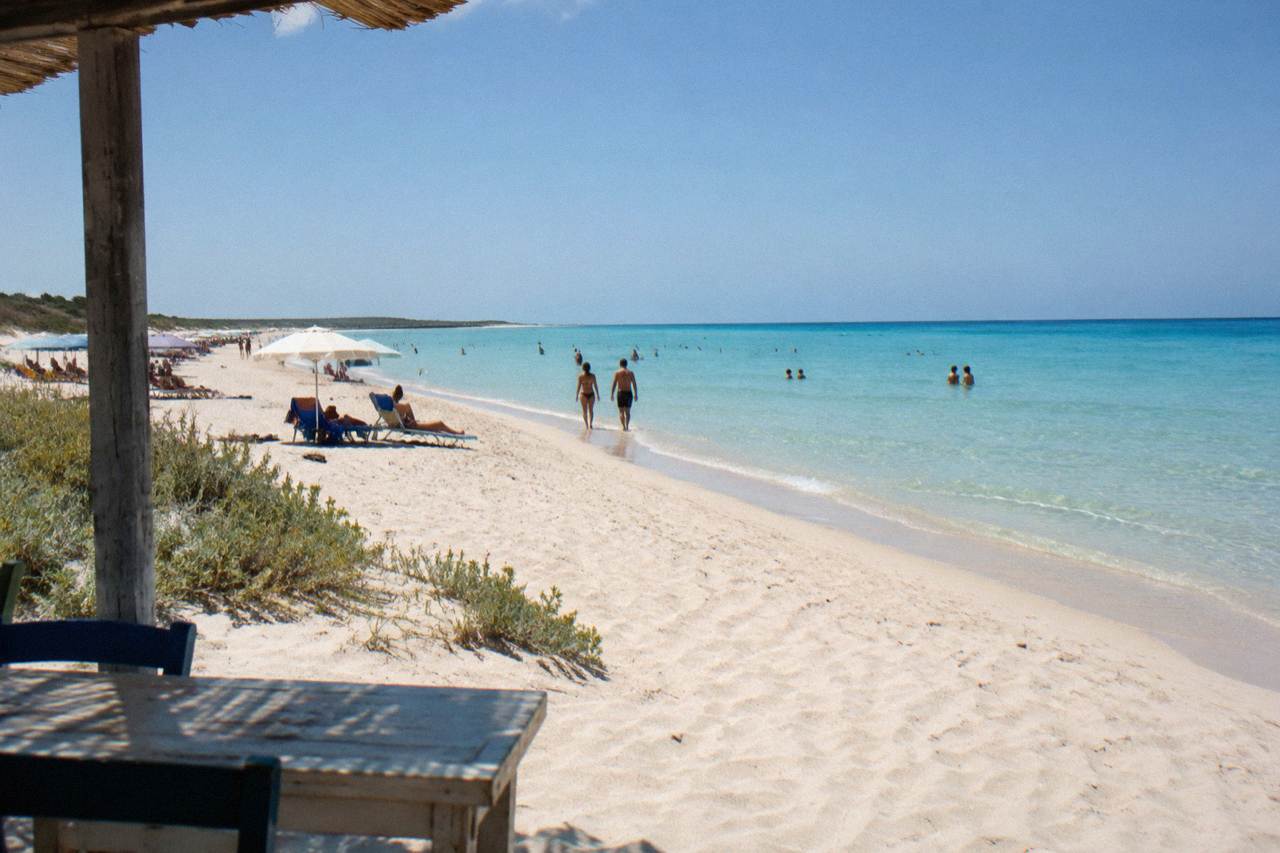
Pescoluse, on the Ionian coast west of Lecce, is the stretch of sand Puglia nicknames the Maldives of Salento: white sand, dunes and waist-deep water. Here is how to plan the trip from Lecce.
Short answer
Pescoluse is the beach of Marina di Salve on Salento's Ionian coast, about an hour's drive west of Lecce, famous for fine white sand, dunes and very shallow turquoise water. It held a Blue Flag in 2026 and mixes free stretches with lidos; summer access from Lecce is easiest by car or the seasonal Salento in Bus network.
Pescoluse is the beach fraction of Marina di Salve, on the Ionian side of the Salento peninsula in Puglia, southern Italy, and it is the stretch of coast that gets Puglia's boldest nickname: the Maldives of Salento. The comparison is about water and sand rather than latitude. The beach runs along low dunes, the sand is fine and pale, and the sea stays shallow far from shore, so the water reads turquoise on almost any sunny afternoon. Lecce, the baroque capital of Salento and the usual base for this coast, sits inland about 13 km from its own nearest shore at San Cataldo; Pescoluse is a longer haul west, on the opposite, gentler side of the peninsula. This guide from the Lecce Travel Guide desk covers what the nickname actually buys you, how to get there, what a day costs, and how to fold Pescoluse into a wider Salento itinerary.
What Is Pescoluse And Why Is It Called The Maldives Of Salento?
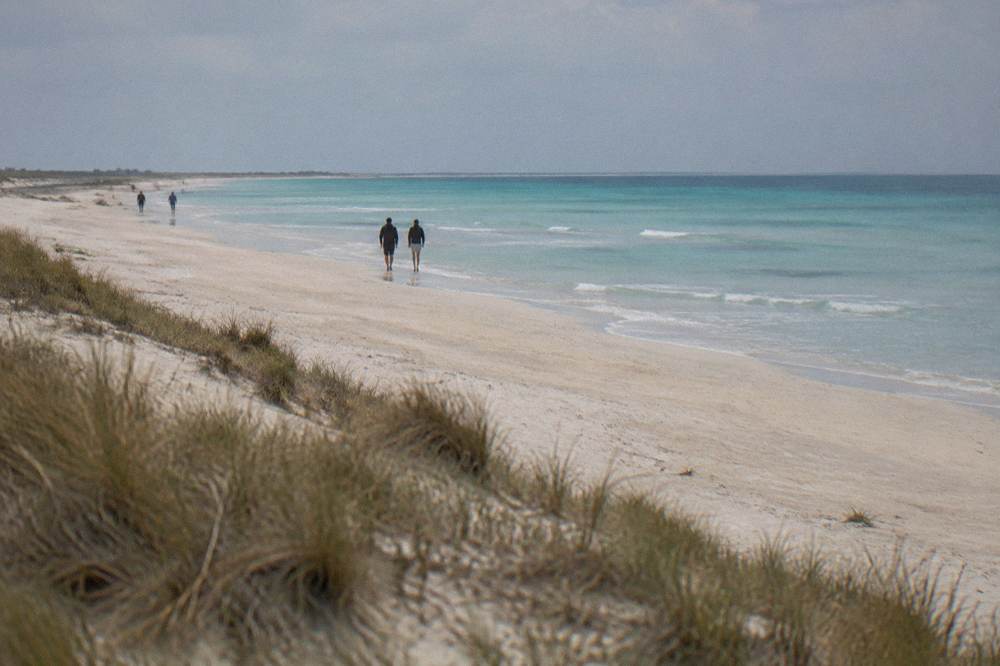
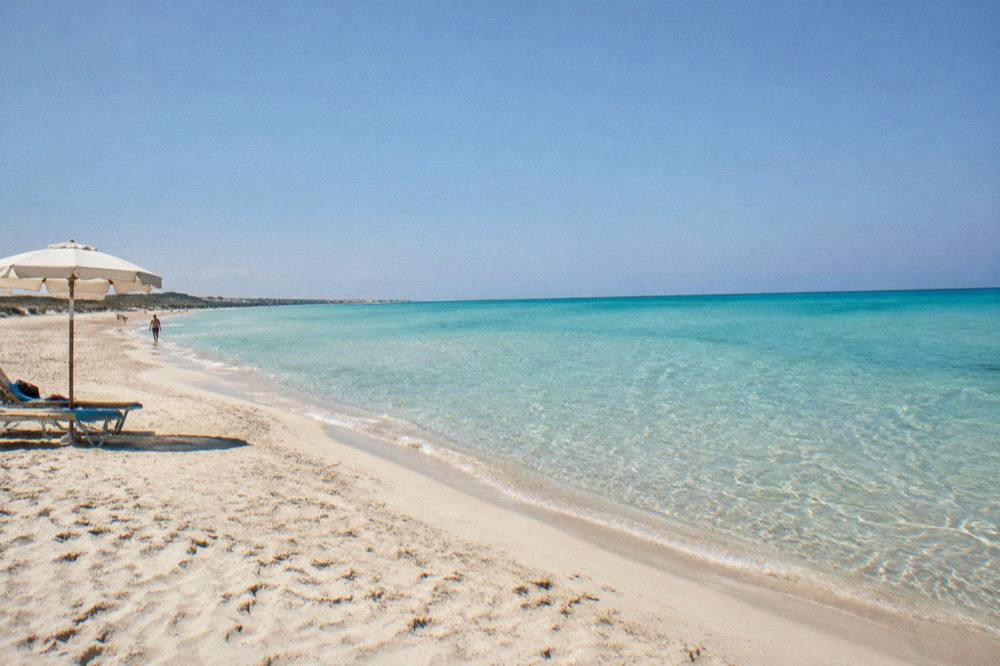
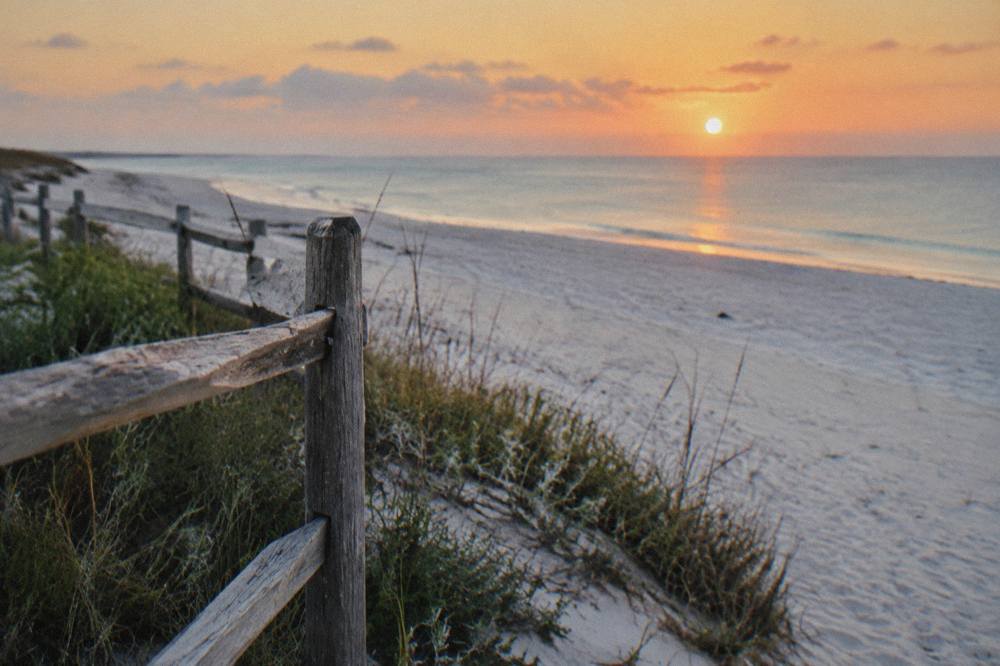
Pescoluse is the seaside fraction of Marina di Salve, a small town in the province of Lecce on Salento's Ionian coast, and the nickname refers to its physical setup: a long ribbon of fine white sand backed by dunes, fronted by water so shallow that you can walk out tens of metres and stay at chest height, reading turquoise in the sun. Puglia's regional tourism site describes it exactly that way, and the beach held a Blue Flag in 2026.
The comparison to the Maldives is marketing shorthand, but the underlying geography is real and unusual for Italy. Much of Puglia's Adriatic side, the coast east of Lecce towards Otranto and Castro, is cliff and rock with deep water close in. The Ionian side is the opposite: low, sandy and shallow, and Pescoluse is one of the widest and most celebrated expressions of it. The dune system behind the sand is part of what the Blue Flag and Green Flag citations recognise, alongside water quality.
The name itself has a mundane root: it is generally traced to a local term for a place of fish ponds or fishing weirs, a reminder that this was working coast before it was a postcard. Salve, the inland municipality it belongs to, is a small Salento town of a few thousand people, and the summer population of the marina swells around it.
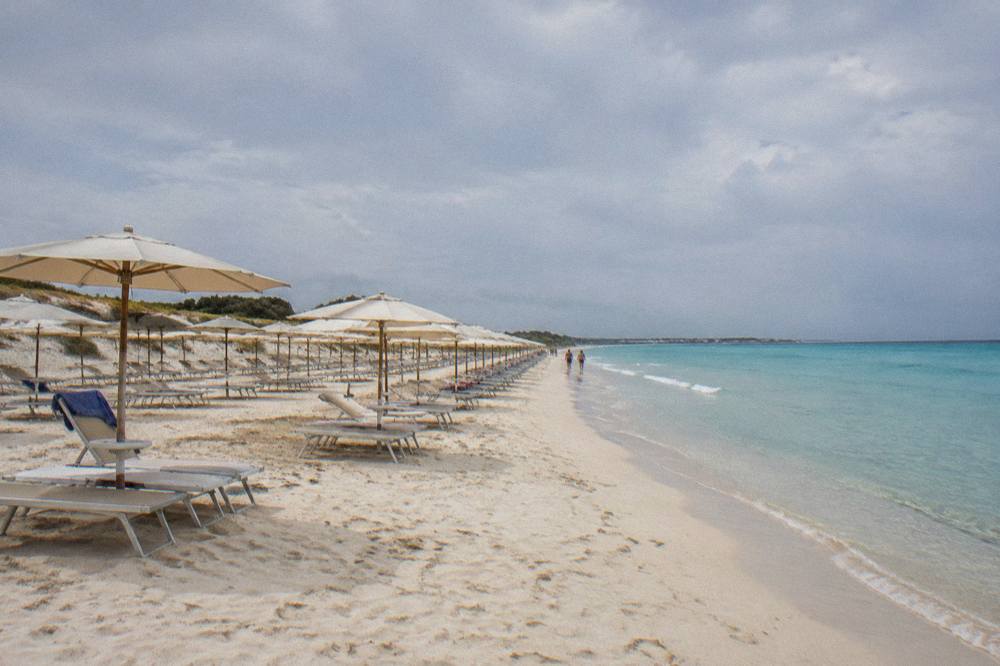
None of this makes Pescoluse secret. It is a headline beach on a coast that trades on beaches, and in July and August the free stretches fill early while the lidos run near capacity. The regional listing notes both free sections and equipped lidos along the water, with parking around Largo dei Gigli and along the litoranea, the coast road that threads the Ionian shore.
How Far Is Pescoluse From Lecce, And How Do You Get There?
The pack gives no verified drive time for the Lecce to Pescoluse journey itself, so this guide prints none: the drive crosses the peninsula to the Ionian west coast and takes the SS101 and coast roads, and the honest answer is to trust your mapping app on the day. In high summer a seasonal bus network, Salento in Bus, links Lecce to the Ionian coast including Gallipoli and Leuca lines, running 13 June to 13 September in 2026 with fares of 1.10 to 5 euro.
Salento in Bus is the key car-free fact. In its 2026 edition the network ran 13 June to 13 September, with reduced service in the shoulder weeks of mid-June and early September and full frequency from 1 July to 31 August. Lines radiating from Lecce included the 104 towards Porto Cesareo and Gallipoli and the 107 and 108 towards Santa Maria di Leuca, the southern end of the peninsula that Pescoluse sits below. Fares are kilometre-based, 1.10 to 5 euro, with a 1 euro surcharge if you buy on board, and children under 10 travel free. The 2027 dates had not been announced, so check the operator or the province pages before planning a summer trip; the full picture is in the site's Salento in Bus guide.
By car, the practical advice is about the coast road rather than the motorway. Parking at Pescoluse clusters near Largo dei Gigli and along the litoranea, and in August the closest spots go early. The regional listing does not publish a fixed parking tariff for Pescoluse, so expect to pay and check the signage on arrival. For context on what the wider area charges, the SP366 parking at Baia dei Turchi on the Adriatic side runs about 4 to 8 euro a day in high season, but that figure belongs to that beach, not this one.
For orientation, drive times verified from Lecce's Piazza Sant'Oronzo include Gallipoli at about 41 minutes and Santa Maria di Leuca at about 78 minutes, and Pescoluse sits on the Ionian stretch between them. Combining the beach with one of those towns is the standard day shape, and the site's pages on Gallipoli and Santa Maria di Leuca cover the ends of that arc.
What Does A Day At Pescoluse Cost?
The only hard beach figure the sources give for the Pescoluse area is the 2026 lido survey band for the Ionian coast, which runs higher than the Adriatic side: umbrella-plus-two-beds day rates reported by the Udicon and Adoc surveys reached 40 to 70 euro and beyond at peak at the costliest Ionian lidos, against about 33 to 35 euro at San Cataldo on the Adriatic in August. Entry to the public beach itself is free, and prices shift year to year.
That comparison is the useful one. The 2026 surveys, reported by Corriere Salentino, put the average umbrella-and-two-beds day across the sampled areas at roughly 24 to 42 euro, with the Ionian consistently pricier than the Adriatic and Adoc certifying a 25 percent increase over five years. Treat every number as a 2026 snapshot, confirm at the lido desk, and remember the free stretches of Pescoluse cost nothing but arrive-with-early effort.
| Item | Reported 2026 figure | Notes |
|---|---|---|
| San Cataldo lido (Adriatic, nearest Lecce) | 15 to 25 euro June, 33 to 35 euro August | Umbrella + 2 beds, per day |
| Torre dell'Orso / San Foca lidos | 25 to 35 euro June, 50 to 60 euro August | Same basket |
| Otranto lidos | 20 to 50 euro | Seasonal spread |
| Ionian lidos (Pescoluse's side) | higher still, 40 to 70 euro+ at peaks | Survey average 24 to 42 euro across areas |
| Free beach at Pescoluse | 0 euro | Public sand, arrive early in August |
| Salento in Bus fare | 1.10 to 5 euro | +1 euro on board; under 10 free |
Beyond the sunbed, the day's other costs are food and parking. The marina has bars and lido restaurants in summer; the sources verify no individual venue prices here, so budget like any Italian seaside strip and check menus posted outside. For the drive home, this coast rewards a stop rather than a sprint: Porto Cesareo to the north and Leuca to the south both break the journey naturally.
When Is The Best Time Of Year For Pescoluse?
The sea, not the air, sets the calendar here: water temperatures reported for the Salento coast run about 22.5 C in June, 25 to 27 C at the August peak, and 20 to 22 C in October, while the ERA5 reanalysis for Lecce, 1991 to 2020, shows mean daily highs of 28.2 C in June and 31.3 C in August with only 15 to 18 mm of rain across July and August combined.
That is the statistical case for the July and August core season, and it is also the case against it: everyone else reads the same numbers. June and September sit a step cooler with sea temperatures still pleasant for swimming, thinner crowds, and the full lido season roughly bracketed by the Salento in Bus window of mid-June to mid-September. Outside that window, lidos and beach services thin out or close, and a spring or autumn visit becomes a walk-the-dunes trip rather than a swimming one.
Rain is the quiet variable on this coast. The ERA5 reanalysis for the region puts November as the wettest month at 93.7 mm against 15.3 mm in July, so an autumn beach plan should carry a plan B. Lecce itself makes a good one: the city's baroque churches and museums are covered in the site's things to do in Lecce round-up, and a rained-off beach day converts easily into a city morning.
| Month | Mean high C (ERA5 1991-2020) | Rain mm | Sea temperature, Salento coast |
|---|---|---|---|
| May | 23.4 | 39.9 | warming towards summer |
| June | 28.2 | 18.0 | about 22.5 C |
| July | 31.0 | 15.3 | about 25 C |
| August | 31.3 | 18.1 | 25 to 27 C, the peak |
| September | 26.4 | 58.9 | about 24 to 25 C |
| October | 21.8 | 91.3 | 20 to 22 C |
Is Pescoluse Good For Swimming And Families?
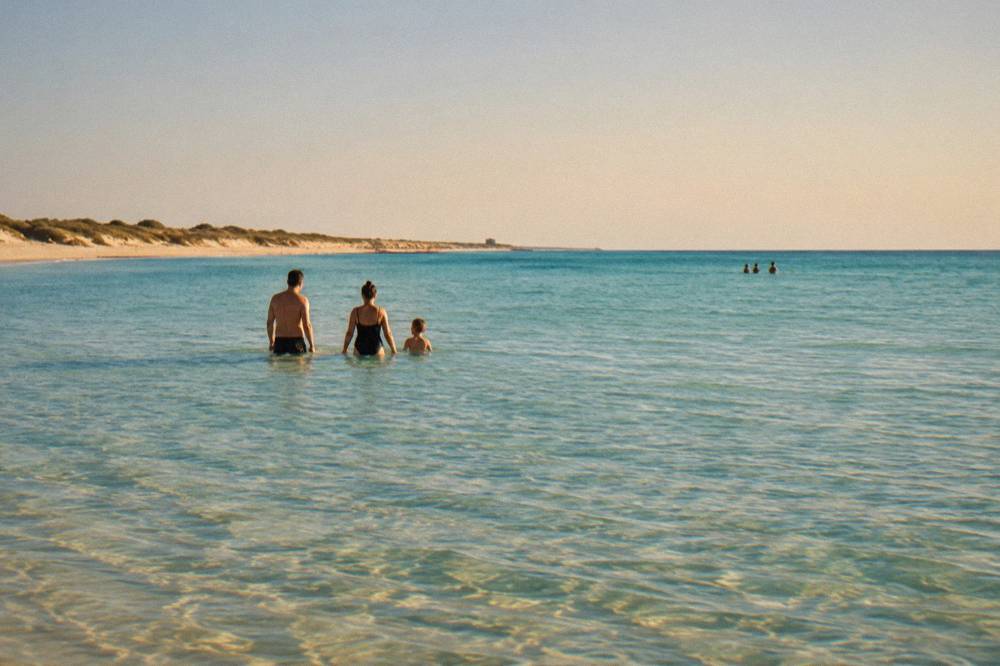
The defining feature is depth, or the lack of it: the seabed slopes so gently that waders can go tens of metres out and stay shallow, which is why families and weak swimmers favour it and why the water colour photographs the way it does. Puglia's regional listing highlights the long fine white sand, the dunes and the shallow turquoise water as the beach's whole proposition, and the 2026 Blue Flag covers water quality.
The flip side of shallow water is temperature and texture. Waist-deep water warms fast in summer, which children barely notice and adult swimmers sometimes do, and at peak season the sand near access points is well trodden. The dunes behind the beach are fragile, as dunes are; stick to the boardwalks and marked paths rather than cutting across them.
For stronger swimmers and snorkellers, the Ionian shallows are calm rather than interesting, and the rockier, cove-and-cliff experiences live on the Adriatic side of the peninsula. That is where the site's featured boat product fits: a snorkel cruise from San Foca to Torre Sant'Andrea on the Adriatic coast, which covers Torre dell'Orso area waters and sea stacks reachable only by boat. The tour's own page carries the current price and booking details: Check availability.
Where Exactly Is Pescoluse On The Salento Map?
Pescoluse sits on the Ionian west coast of the Salento peninsula, in the province of Lecce, just north of the southern tip: it belongs to Marina di Salve and sits on the coastal stretch between Gallipoli, about 41 minutes' drive north of Lecce, and Santa Maria di Leuca at the heel's tip, about 78 minutes from Lecce by road. The Adriatic, with Otranto and Castro, is the opposite side of the peninsula.
Understanding Salento as two coasts around one inland baroque city is the whole trick of planning here. Lecce is the rail and road hub in the middle; the Adriatic east coast is cliffier and deeper; the Ionian west coast is sand and shallows, with Pescoluse, Porto Cesareo and the beaches around Gallipoli as its headline names. A day trip from Lecce can realistically reach either coast, but not both comfortably.
| Salento coastal point | Side | Drive from Lecce (Piazza Sant'Oronzo) | Character |
|---|---|---|---|
| San Cataldo | Adriatic | 12.9 km, about 14 min | nearest beach to Lecce, pine-backed |
| Porto Cesareo | Ionian | 28.0 km, about 34 min | sandy, shallow lagoon coast |
| Gallipoli | Ionian | 41.0 km, about 41 min | island old town plus beaches |
| Otranto | Adriatic | 46.7 km, about 44 min | clifftop town, deep water |
| Castro | Adriatic | 47.4 km, about 48 min | caves and cliffs, Grotta Zinzulusa |
| Santa Maria di Leuca | Ionian tip | 83.2 km, about 78 min | where the two coasts meet |
The drive times above are free-flow figures computed for the site from routing data; August traffic on the coast roads adds real time. If the map suggests combining Pescoluse with Leuca or Gallipoli in one loop, it works, and the site's pages on Otranto, Gallipoli and Leuca cover the stops in detail.
Can You Visit Pescoluse Without A Car?
Yes, in summer, with caveats: the seasonal Salento in Bus network ran from Lecce to the Ionian coast from 13 June to 13 September in 2026 with fares of 1.10 to 5 euro, and off-season the realistic public-transport answer is the FSE train towards Gallipoli plus local connections, since FSE regional trains link Lecce and Gallipoli in about 1h18 to 1h43. Outside the summer window, a car is close to essential for this beach.
The bus option is genuinely usable in July and August: kilometre-based fares, tickets bought through the operator's app or outlets to dodge the 1 euro on-board surcharge, and night services in the peak weeks for beach-party traffic. The trade is timetabling freedom; the last buses of the day dictate dinner plans. The site's getting around Lecce guide covers the city end, and the Salento in Bus page carries the network detail.
The train-plus-taxi or train-plus-bike pattern also works. FSE trains run Lecce to Gallipoli directly, and from Gallipoli the coast road south passes the Pescoluse stretch. Cyclists should know the terrain is flat the whole way, which is why the e-bike tours of this coast exist at all: one verified product rides Lecce to Gallipoli with a swim stop and a farm tasting, with a taxi transfer back. Its live listing carries the price and dates.
Beyond buses and bikes, organised day tours solve the whole problem by putting the driving, the parking and the timing on someone else. A private four-town Salento tour covers Otranto, Leuca, Gallipoli and Galatina in one loop from Lecce, and the listing states what is included.
What Else Is Near Pescoluse Worth Combining?
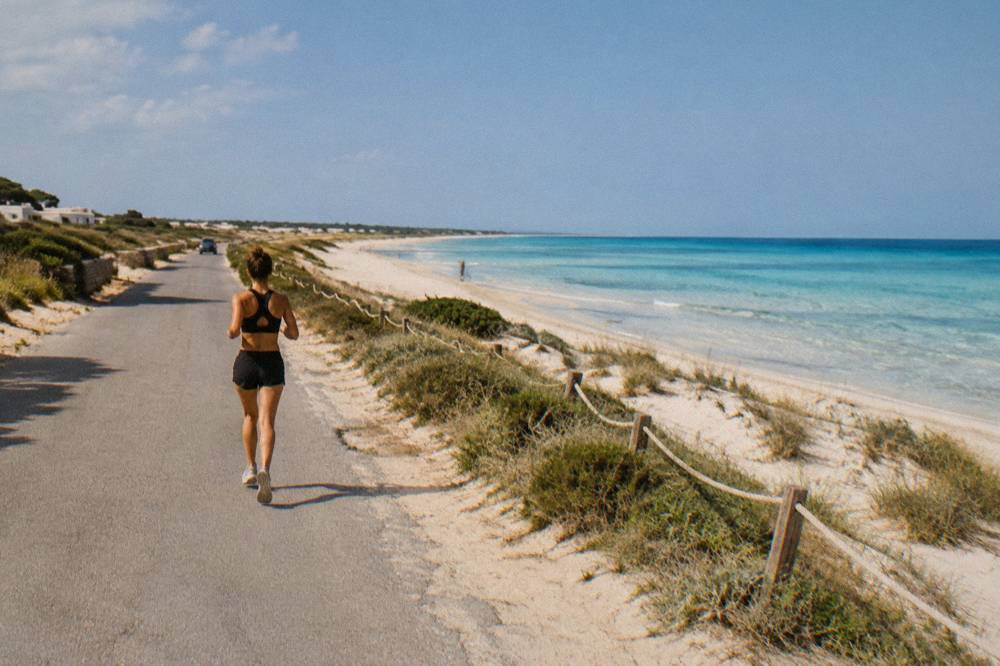
The southern Ionian coast stacks several stops into one arc from Lecce: Gallipoli's old town on its limestone island, the free-entry Basilica of Santa Caterina d'Alessandria at Galatina, Santa Maria di Leuca where the basilica of De Finibus Terrae stands at the peninsula's tip, and, across on the Adriatic side reachable in a longer loop, Grotta Zinzulusa at Castro with year-round guided visits at 7 euro full and 4 euro reduced.
Each pairing suits a different day. Gallipoli is the classic morning-town-then-beach combination, about 41 minutes from Lecce and on the way to the Pescoluse coast; the old town stands on a limestone island joined to the mainland by a bridge, and its castle's ticket price was not established by the sources, so confirm locally. Galatina, inland a short hop, holds the Basilica of Santa Caterina d'Alessandria, free to enter with split morning and afternoon hours, and it is also the town that claims the pasticciotto, the custard pastry whose 1745 invention date is one Galatina pastry shop's own contested claim.
Leuca, at the tip, is the boat-and-basilica stop: the sanctuary basilica is free and open daily in split hours, and the lighthouse exterior is viewable, with the interior not open to the public. Leuca boat-tour operators and prices were not established by the sources, so book on research rather than assumption. North of Pescoluse on the same Ionian sand, Torre Colimena and the Porto Cesareo marine protected area continue the shallow-water theme.
For visitors stretching the day across the peninsula, the Adriatic adds Grotta Zinzulusa at Castro, a sea cave with guided visits year-round, 7 euro full and 4 euro reduced, with winter hours of roughly 10:00 to 15:00 or 16:30. And inland, the small town of Specchia ranks among Salento's celebrated borghi, a quiet counterweight to a beach-heavy itinerary.
| Stop near Pescoluse | Side | Verified facts |
|---|---|---|
| Gallipoli | Ionian | old town on limestone island linked by a bridge; castle ticket not published, confirm locally |
| Galatina | inland | Basilica of Santa Caterina d'Alessandria free, split hours; pasticciotto's 1745 date is the local shop's contested claim |
| Santa Maria di Leuca | Ionian tip | basilica free, daily split hours; lighthouse interior not open |
| Grotta Zinzulusa, Castro | Adriatic | guided visits year-round, 7 / 4 euro, winter about 10:00 to 15:00 or 16:30 |
| Porto Cesareo | Ionian | shallow sandy coast north of Pescoluse |
What Should You Eat On A Pescoluse Day?
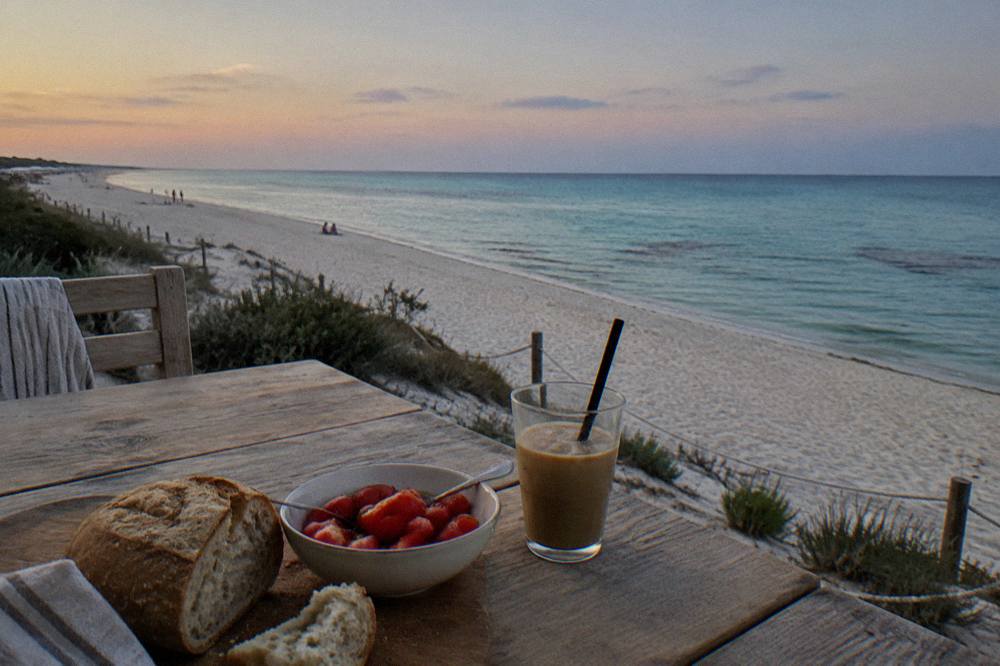
The Salento beach diet is built around a short list of local staples: frisa, the hard rusks of Puglia soaked in water and dressed with oil and tomato; puccia, the soft flatbread pocket filled to order; rustico leccese, the savoury puff-pastry round of bechamel, mozzarella and tomato; and pasticciotto, the custard tart, washed down with caffe in ghiaccio con latte di mandorla, the iced espresso with almond milk that the Quarta coffee family is credited with creating in Lecce in the 1940s and 1950s.
Beach kiosks and lido kitchens do the simple versions of these well; sit-down meals near the marina lean on grilled fish, and the sources verify no individual restaurant here, so choose on the posted menu. The site's food guides carry the detail: what the dishes are and where they come from is in what to eat in Lecce's wider companion pages, including frisa and puccia and the broader Puglia food overview.
Wine is the other local case. The Salento peninsula is Negroamaro country, and Salice Salentino, the DOC established in 1976 covering parts of the Lecce and Brindisi provinces, is the region's Negroamaro-based standard bearer, with Primitivo di Manduria the other flagship. A beach day converts neatly into a tasting stop, and the site's Salento wine guide covers the denominations. The e-bike products that ride from Lecce to this coast with farm tastings make the same argument with pedals.
Is Pescoluse Safe, And What Should You Know Before You Go?
Salento, including its beach towns, is reported as generally safe, with violent crime rare and opportunistic theft the main practical concern, in line with the rest of Puglia; the practical hazards at Pescoluse are mundane ones, sun on reflective shallow water, crowds in August, and the drive back on coast roads after a long beach day. The single emergency number across Italy, including here, is 112.
The unglamorous checklist does the work: sunscreen reapplied often, because shallow water doubles the glare; valuables left at the hotel or split between party members rather than pooled in one unattended bag; and water, because the August heat is real, with ERA5 reanalysis for the region showing mean highs of 31.3 C. On walking safety at night in the wider region, the site carries a dedicated Salento at night safety answer.
Two administrative details matter more than crime. First, if your accommodation is in Lecce and you drive, remember the Lecce ZTL, the camera-policed limited traffic zone in the historic centre, whose reported hours shift by ordinance; the standard advice is to ask your accommodation to register your plate, and the site's ZTL and parking guide covers it. Second, the tourist tax exists across Italian municipalities including Lecce, is collected by the accommodation, and runs by category and season, with a top reported rate of 5 euro per person per night in high season at the top category; confirm the exact amount at booking.
How Many Days Should You Give The Salento Coast?
For a trip that includes Pescoluse, the honest planning unit is three to four days in Salento beyond Lecce's own sights: one day for the Ionian sand arc of Gallipoli, Pescoluse and Leuca, one for the Adriatic cliffs and Otranto, one for Lecce's baroque centre and churches, and a buffer for weather or a second beach day. How long Salento needs overall depends on pace, and the site's dedicated answer covers the trade-offs.
The reason to slow down is that the two coasts reward different moods, and blasting between them in one day wastes both. The Ionian day, with Pescoluse as its sandy anchor, is the flat, lazy, swim-and-sunbed day. The Adriatic day, around Otranto and Castro, is the cliffs, caves and boat day. Lecce itself is the evening and architecture constant, and its old centre is compact enough that half-days work. The site's how many days are needed in Salento answer and the full Salento and Salento beaches guides carry the detail for longer builds.
Common Questions About Pescoluse
What does Pescoluse mean?
The name is generally traced to a local term for fish ponds or fishing weirs, a reminder that this was a working stretch of Ionian coast before it became a beach destination. It belongs to the municipality of Salve, in the province of Lecce.
Why is Pescoluse called the Maldives of Salento?
Because of the combination of fine white sand, low dunes and very shallow turquoise water: the seabed slopes so gently that swimmers stay shallow far from shore. Puglia's regional tourism listing describes it in exactly those terms, and the beach held a Blue Flag in 2026.
Is Pescoluse free?
The public sand is free, as with any Italian beach. Equipped lidos charge for an umbrella and sunbeds, and the 2026 surveys for the Ionian coast reported day rates running higher than the Adriatic side, with peaks above 40 euro at the costlier establishments. Confirm prices at the lido desk, as they change each year.
Can you get to Pescoluse from Lecce without a car?
In summer, yes: the seasonal Salento in Bus network ran from Lecce to the Ionian coast from 13 June to 13 September in 2026, with fares from 1.10 to 5 euro. Off-season, the FSE train towards Gallipoli plus a local connection is the realistic route, and a car is close to essential.
Is Pescoluse good for children?
Its shallow, gently shelving water is the reason families choose it: waders can go out tens of metres and stay at chest height. The trade-offs are warm shallow water and busy sand at peak season, so arrive early in August.
What is near Pescoluse?
Gallipoli's island old town to the north, Galatina's free-entry basilica inland, and Santa Maria di Leuca at the peninsula's tip to the south, all on the Ionian side. Across the peninsula, the Adriatic coast around Otranto and Castro adds cliffs and the Grotta Zinzulusa sea cave.