Lecce Food Tour And Cooking Class Options
Lecce, the baroque capital of Salento in Puglia, is one of southern Italy's strongest places to eat a city flat: pasticciotto at breakfast, rustico at mid-morning, caffe in ghiaccio in the afternoon heat. This guide lays out the food tours, street food walks and cooking classes sold through this site, and what each format actually covers.
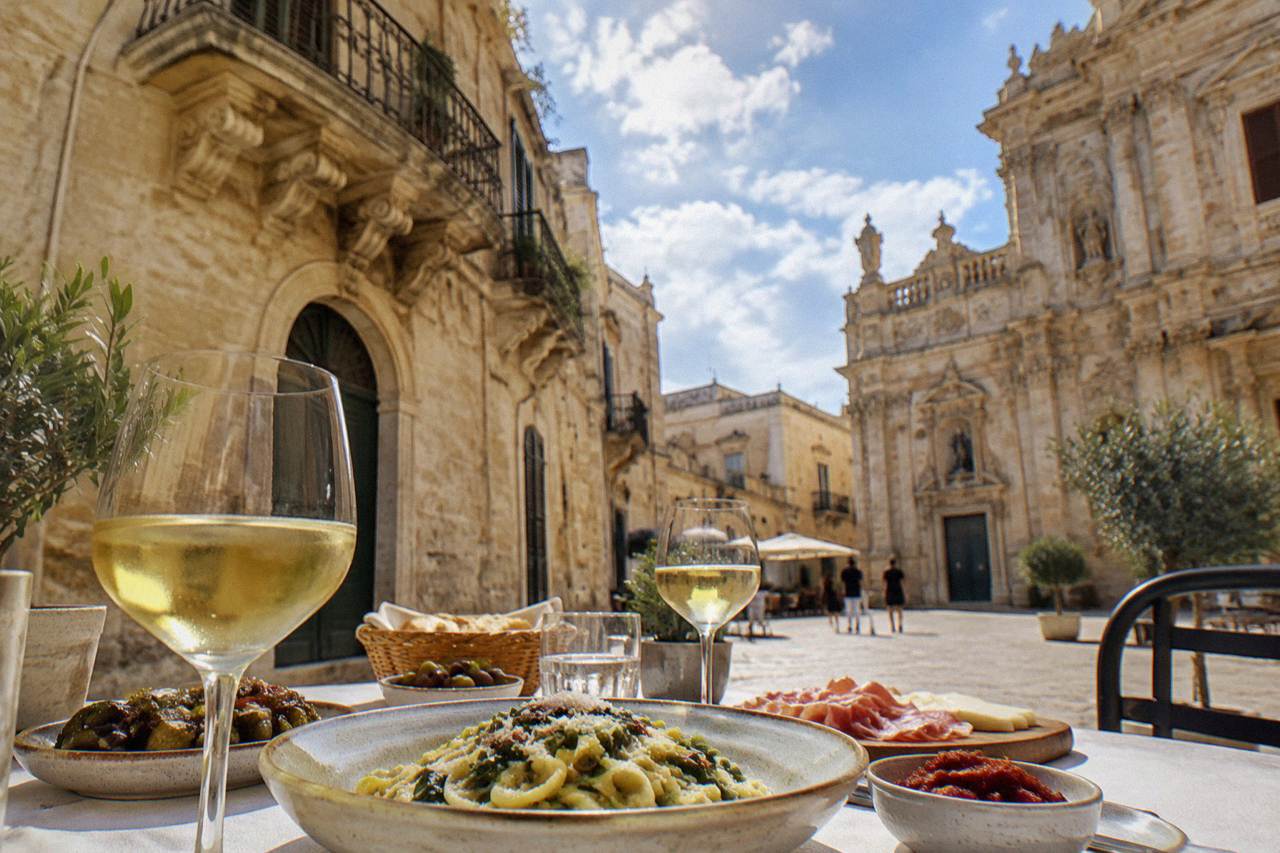
Short answer
A Lecce food tour is a guided walk through the old town with tastings of Salento street food, or a cooking class where you make pasta by hand and sit down to eat it. Walking food tours cover dishes such as rustico leccese, puccia and pasticciotto, with local wine. Classes focus on orecchiette and other pasta shapes, usually with wine included. This page compares the formats so you can pick one in minutes.
Lecce, in Puglia at the heel of Italy, is a city where the food holds its own against the architecture. The baroque facades of the centro storico are cut from pietra leccese, a honey-coloured limestone, and between them run the lanes where leccesi have eaten the same small dishes for generations: pasticciotto for breakfast, rustico leccese mid-morning, caffe in ghiaccio con latte di mandorla when the afternoon warms up. A Lecce food tour walks you through those lanes with a local guide and a string of tastings; a cooking class puts the dough in your hands. This page from the Lecce Travel Guide editorial desk compares the formats, lists the products sold on this site, and explains what to eat on your own if you would rather go without a guide.
What Is A Lecce Food Tour, And What Do You Taste?
A Lecce food tour is a guided walk, usually between one and three hours, through the historic centre of Lecce with stops at bakeries, bars and counters for tastings of Salento street food, with local wine or coffee along the way. The dishes you meet are rustico leccese, puccia, pasticciotto, frisa and caffe in ghiaccio con latte di mandorla, plus Negroamaro-based Salento wines. Cooking classes are the other half of the format: you make orecchiette by hand and eat what you made.
The distinction matters when you are choosing. A walking tour shows you the city and the food at the same time: you move through the centro storico, past Piazza Sant'Oronzo and the baroque facades, and the stops are the kind of counters leccesi actually use. A cooking class sits still: the setting is often a courtyard or a family home, and the product of the session is a meal you built yourself, typically pasta and wine.
Both formats suit first-time visitors, and both work in a city that is compact and flat. The guided historic centre walk covers the architecture if food is not your focus for the day, and a budget intro walk also runs; tip-based walks exist locally, and the tip arrangement is confirmed with the guide on the day.
There is a practical reason the food walk format thrives here rather than elsewhere. Lecce's eating culture is concentrated in a walkable rectangle: the counters, the pastry shops and the bars sit inside the old town walls, a few minutes apart on foot, so a guided tasting route covers half a dozen of them without a bus or a car. The city's tourist weight also means the walks run in English on a near-daily basis through the season, which is not true of the smaller Salento towns, where eating well is easy but guided formats are thinner on the ground.
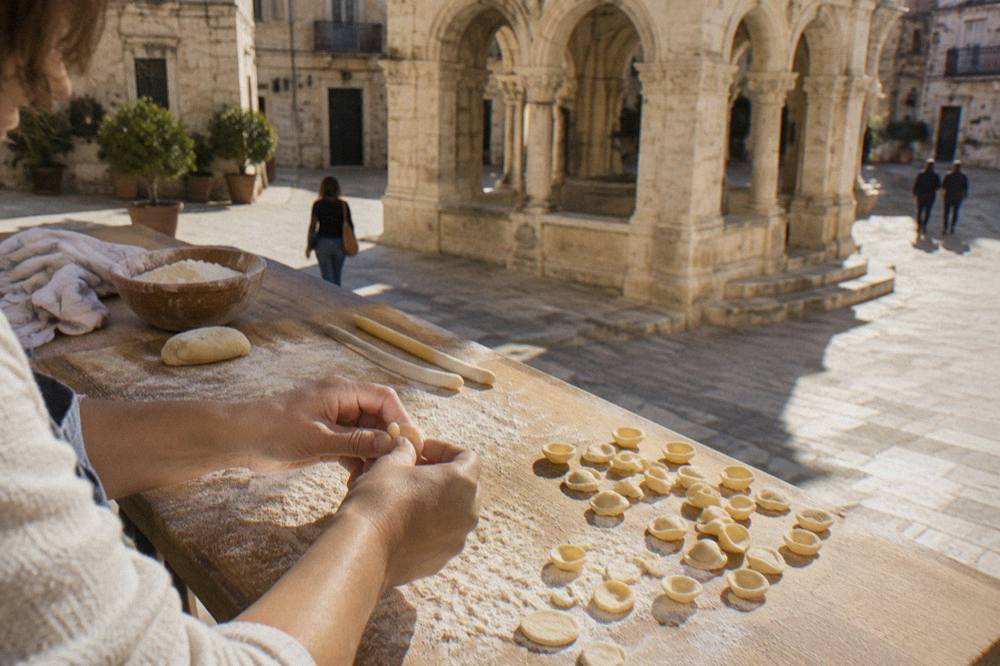
Which Lecce Food Tour Or Cooking Class Fits Your Trip?
The three formats sold most often are a street food walking tour with tastings, a pasta-making class with wine, and a cooking class in a local family home outside the centre. A street food tour suits a short stay or a first evening; a pasta class suits families and anyone who wants a meal and an activity in one; a home class suits travellers who want the slow, private version of both. All three are bookable with free cancellation on most listings.
Here is how the formats compare in plain terms. Prices, ratings and durations for every product below render from the live listing at booking, not from this page.
| Format | Where it happens | What you do | Best for |
|---|---|---|---|
| Street food walking tour | Old town lanes on foot | Taste rustico, puccia, pasticciotto, wine with a guide | First visit, short stays |
| Pasta class with wine | Courtyard or workshop in the centre | Make orecchiette and other shapes, eat the result | Families, couples, rainy afternoons |
| Cooking class in a family home | Home kitchen outside the centre | Cook a menu with a local family | Slow days, private groups |
| Wine and food tasting | Old town tasting room | Guided tasting of Salento wines with food | Evening, no cooking |
| Snorkel and aperitif boat trip | Porto Cesareo coast | Swim stops plus an aperitif on board | Beach day with food built in |
The featured class on this site is the pasta making class in a 1400s-era courtyard with wine, a central option where the setting is as much of the draw as the dough. Availability changes with the season, and Check availability shows current dates before you commit.
A word on how to read the trio of products above. They were picked to cover three different days of a Salento trip rather than three versions of the same day: the courtyard class is the in-city anchor, the family-home class is the countryside alternative, and the Porto Cesareo boat trip carries the aperitif out onto the Ionian water. Booking more than one is only worth it if your stay runs past four or five days; otherwise a single well-chosen format, plus eating well on your own, covers Lecce comfortably.
What Does A Street Food Tour In Lecce Cover?
A street food tour in Lecce covers the city's counters rather than its restaurants: rustico leccese, the warm savoury pastry of besciamella, mozzarella and tomato; puccia, the Salento flatbread pocket; frisa, the hard twice-baked ring you soak in oil and tomato; pasticciotto, the custard shortcrust tart; and a caffe in ghiaccio con latte di mandorla, espresso over ice with almond milk. Walks also pour local wine, typically Negroamaro-based.
Rustico leccese deserves its own sentence of caution-free fact: its origins are uncertain, likely late in the city's story, with a probable aristocratic or bar inspiration rather than a peasant one, so treat any colourful origin story a guide tells as a legend. The caffe in ghiaccio has firmer sourcing: local reporting credits Antonio Quarta of Quarta Caffe with it, in the 1940s or 1950s, and the drink has since entered Italy's PAT list of traditional products. Espresso goes over ice cubes, almond milk syrup is added, and the layers stay separate until you stir.
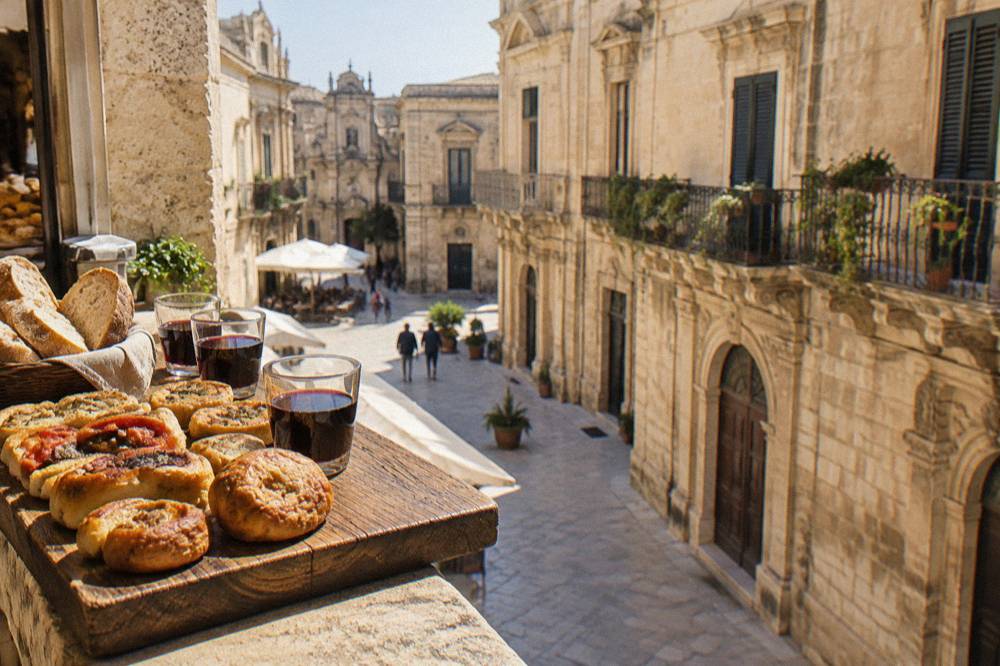
For travellers who want the eating and the architecture in one loop, some products pair the two. The history and street food tasting walk sold on this site moves through the old town's principal squares with tastings at the stops; the underground and food-tasting walk adds Lecce's excavated underground rooms to the route. Both formats leave from central points and finish within walking distance of anywhere in the centre.
The bread dishes reward a little context. Frisa is a ring of twice-baked dough, hard as a biscuit until it is briefly soaked in water, then dressed with olive oil, tomato and sometimes oregano; it is summer food, assembled in minutes and eaten immediately. Puccia is the opposite temperament, a soft flatbread pocket split and filled to order, from cold cuts to stracciatella. Ciceri e tria, chickpeas with pasta of which a portion is fried crisp and folded through, is the plate dish of the cooler months, and its name is worth learning before you order it.
Is A Cooking Class In Lecce Worth It Without Kids?
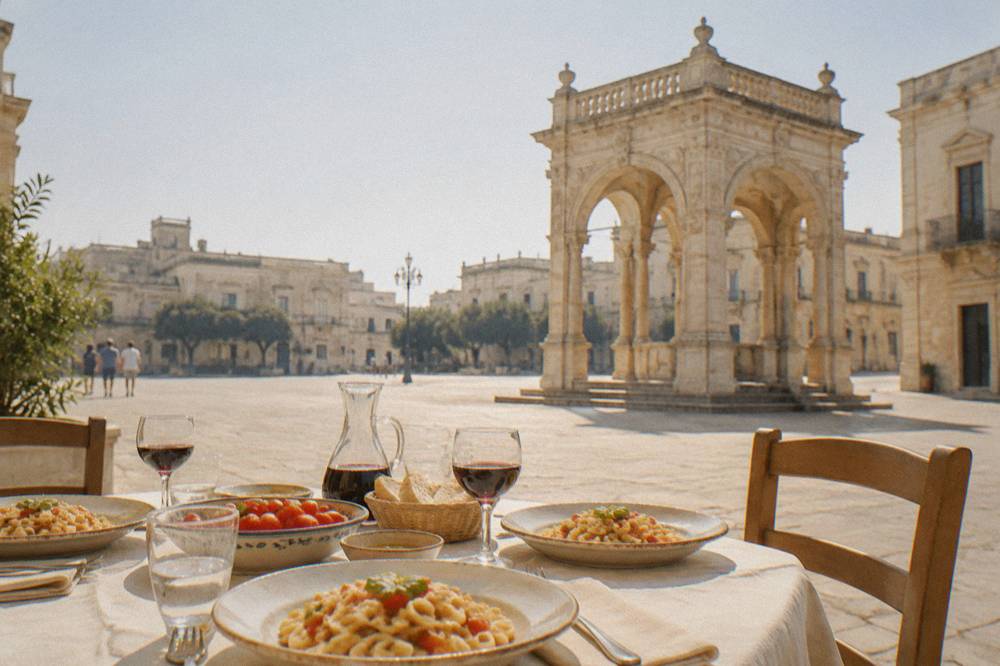
A cooking class in Lecce works with or without children, because the format is built around one hands-on product: pasta, usually orecchiette, shaped by hand on a wooden board, then cooked and eaten with wine at the end. Classes run in central courtyards, in family homes near the city, and in dedicated workshops. A class is the right pick when you want a meal, an activity and a break from walking the baroque circuit at the same time.
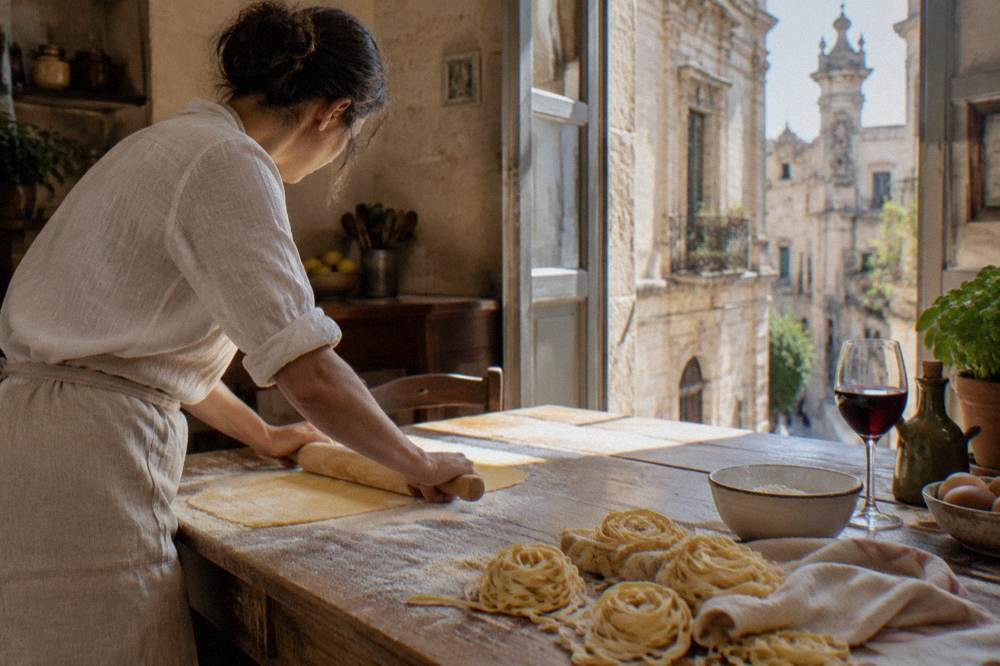
The classes sold through this site cluster into two groups. Central classes, including the 1400s-era courtyard format and the orecchiette-and-wine class, keep you in the old town, within reach of the Duomo and Santa Croce for before or after. Home classes, including the family-home option and the lunch-and-dinner format, take you outside the tourist core and are typically private or small scale, with a menu that follows the household rather than a fixed script.
Orecchiette, "little ears", is the shape that anchors the region: it is Puglia's everyday pasta and the one you will be shown how to drag across the board with a blunt knife. The wine alongside is usually from the Salento repertoire. Salice Salentino DOC, established in 1976, is Negroamaro-based and spans the provinces of Lecce and Brindisi; Primitivo di Manduria is the other regional name you will meet, from the Taranto side of Salento.
Adults travelling without children lose nothing by choosing a class. The technique is genuinely teachable in a single session, the eating at the end is a full meal rather than a token plate, and the wine pours are part of the format rather than an extra. Groups of friends and couples make up a large share of bookings, and the slower home formats suit an anniversary or a birthday better than another museum. Children, where they join, are usually welcome at the board, but the class does not depend on them.
What Should You Eat In Lecce On Your Own?
The dishes to seek out alone in Lecce are pasticciotto for breakfast, rustico leccese as a mid-morning snack, puccia and frisa at lunch, ciceri e tria, chickpeas with fried pasta, as a plate dish, and a caffe in ghiaccio con latte di mandorla in the afternoon. Two long-running addresses anchor the list: Caffe Alvino on Piazza Sant'Oronzo, with roots traced to about 1880, and Pasticceria Natale, family-run since 1978.
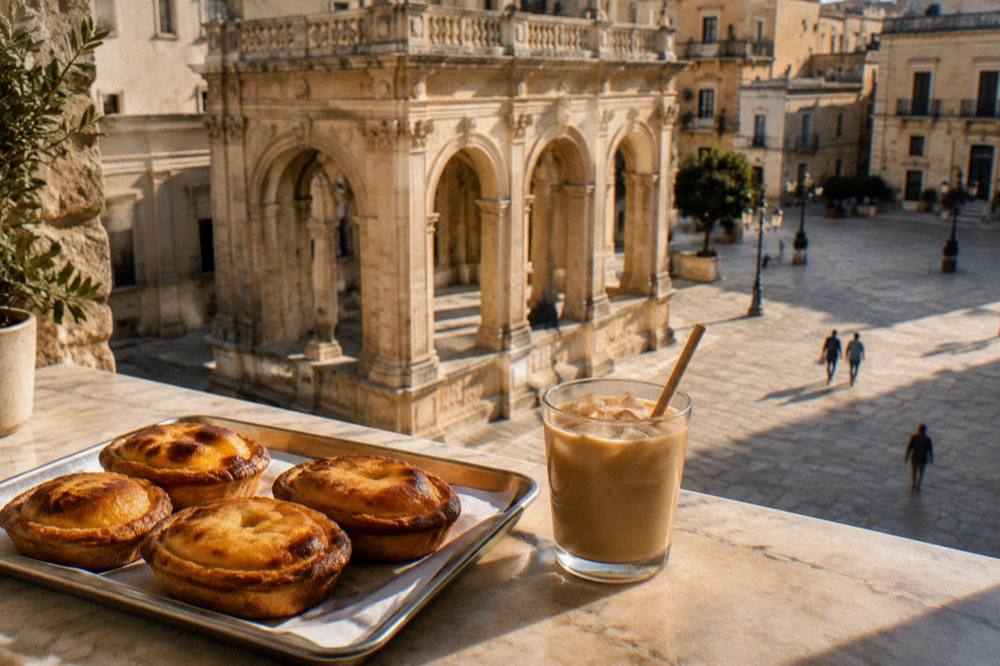
The pasticciotto carries one caveat every honest guide should repeat. The 1745 invention date belongs to Pasticceria Ascalone's own account, the shop is in Galatina, about 29 minutes' drive from Lecce, not in Lecce itself, and historians dispute the claim, so it stays a story rather than a fact. What is not disputed is the tart: shortcrust, custard, sometimes a sour amarena cherry, eaten warm. A single "Santo Pasticciotto" was reported on Pasticceria Natale's own listing at 2.20 euro, and prices elsewhere vary; check the counter.
| Dish or drink | What it is | When leccesi eat it |
|---|---|---|
| Pasticciotto | Shortcrust tart with custard, sometimes amarena cherry | Breakfast, mid-morning |
| Rustico leccese | Puff pastry disc with besciamella, mozzarella, tomato | Mid-morning snack |
| Puccia | Salento flatbread pocket, filled to order | Lunch |
| Frisa | Twice-baked bread ring, soaked, dressed with oil and tomato | Lunch, summer |
| Ciceri e tria | Chickpeas with pasta, part of it fried | Plate dish, cooler months |
| Caffe in ghiaccio con latte di mandorla | Espresso over ice with almond milk | Afternoon |
Beyond the two named venues, this site prints no addresses, hours or recommendations for individual bakeries and bars, and no "best of" ranking: the eating you do alone between tours is best guided by the counter in front of you and the queues of leccesi outside it. For the wider regional picture, the Puglia food guide covers the dishes of the whole region, and the long-running argument about which town in Puglia has the best food sets Lecce against its rivals.
Two ordering habits make the solo eating easier. First, the bar counter is a normal place to stand and eat, coffee included; prices at the counter are the local norm and sitting at a table is a separate choice. Second, the riposo, the early-afternoon pause, still shapes the day in the south, with many shops closing in the early afternoon and reopening later, so plan the pastry run for the morning and the aperitif for the evening rather than expecting everything to run continuously through the middle of the day.
Can You Combine A Lecce Food Tour With Wine Tasting?
Yes, and in Lecce the two usually arrive together: food walks pour Negroamaro-based wine at the stops, wine tastings lay out local food alongside the glasses, and cooking classes finish with wine at the table. Standalone tasting formats in the old town pour a flight of Salento wines, typically including Negroamaro and Primitivo, with bread, cheese or taralli. For a deeper dive, e-bike and minivan trips reach olive mills and wineries in the countryside around the city.
| Wine fact | Detail | Source status |
|---|---|---|
| Salice Salentino DOC | Established 1976 | Reported, regione.puglia.it |
| Grape base of Salice Salentino | Negroamaro | Reported |
| Primitivo di Manduri DOC | Centred on Manduria, Taranto province | Reported |
| Negroamaro | Key Salento grape, base of many DOCs | Reported |
The aperitif has also moved onto the water. On the coast west of Lecce, at Porto Cesareo, a snorkel mini cruise runs with a typical aperitif on board, and it is one of the three products this page features: it covers swimming stops on the Ionian side and the eating half of the day in one booking. The trip is a reminder of how close the sea sits to the table here; San Cataldo, the nearest beach to Lecce, is about 13 km east of the centre.
For wine that arrives with exercise, the e-bike formats ride out through the olive groves and the masserie, the fortified farmhouses of the Salento countryside, with an olive mill and a winery on the route and a taxi back to the city at the end. These suit a longer stay: they take up most of a day and are best booked once the old town itself has been walked. Travellers staying only a night or two get better value from the in-city tasting formats, which deliver the same glasses in a single sitting instead of a full day.
How Does A Food Tour Fit Into A Lecce Itinerary?
A food tour or cooking class slots best into the late afternoon and evening of day one in Lecce, once the baroque circuit of the Duomo, Santa Croce and Piazza Sant'Oronzo has been walked, or into the middle of a two-day stay as a rest from sightseeing. Classes work as the anchor of a slower day, since they occupy a solid block and end with a meal. In summer, book the evening version; July and August are the warm months.
| Stay length | Where the food format fits | Suggested anchor pages |
|---|---|---|
| One day | Evening street food walk after sightseeing | Lecce in one day |
| Two days | Day two midday class, day one walking | Lecce in two days |
| Longer Salento trip | Class in Lecce, food stops on the road | Salento itinerary |
| Full Puglia trip | Lecce as the eating capital of the route | Puglia itinerary and things to do in Lecce |
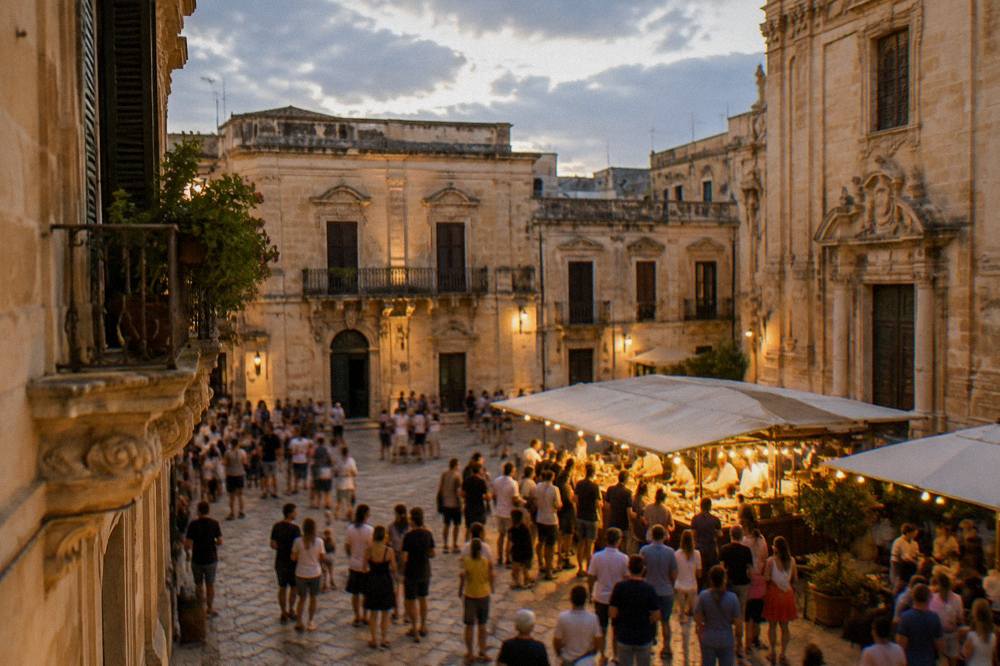
Two timing notes from the events calendar. The city's patronal feast, the Festa dei Santi Patroni, ran 23 to 26 August in 2026 and fills the centre with processions and food stalls in high summer; the Notte della Taranta concert in Melpignano, held on 22 August 2026, sits at the end of the same month and pairs with the region's pizzica music. Both are annual events, and the pattern, not a fixed date, is what you plan around; 2027 dates had not been announced when the site's research was compiled.
Off-season eating has its own case. Autumn brings the vendemma, the grape harvest, and cooler kitchen weather; the ERA5 reanalysis for Lecce shows a mean high of about 22 C in October with 91 mm of rain, and November carrying the highest monthly rainfall of the year at 93.7 mm, so a class indoors is a sound wet-weather anchor then. Winter visitors find the Fiera dei Pupi, the papier-mache Christmas fair, running in the former convent of the Teatini from early December to 24 December, on the pattern of recent years.
Common Questions About Lecce Food Tours
What is a Lecce food tour?
A guided walk through Lecce's historic centre with tastings of Salento street food at bakery and bar counters, usually with local wine or a caffe in ghiaccio along the way, typically lasting between one and three hours.
What food is Lecce famous for?
Pasticciotto, rustico leccese, puccia, frisa, ciceri e tria, and caffe in ghiaccio con latte di mandorla, plus Negroamaro-based wines such as Salice Salentino. The pasticciotto's 1745 invention date is a Galatina pastry shop's own claim, not an established fact.
Are cooking classes in Lecce suitable for beginners?
Yes. Classes centre on hand-shaping orecchiette and similar pasta, with instruction at the board, and finish with eating what you made alongside wine; no prior technique is assumed.
How much does a Lecce food tour cost?
Prices for every tour and class on this page render from the live listing at booking rather than being printed here. Check availability on a product to see the current from-price.
Can you do a food tour in Lecce in winter?
Yes. Walking tours and classes run year-round, and indoor formats double as a plan for wet days; the ERA5 reanalysis for Lecce shows November with the highest monthly rainfall, at 93.7 mm.
Is Lecce or Bari better for food?
Both are strong eating cities with different repertoires: Lecce leans on Salento dishes and wine, Bari on its own street food tradition. This site carries a comparison for the Puglia itinerary level rather than a verdict on rival cities.
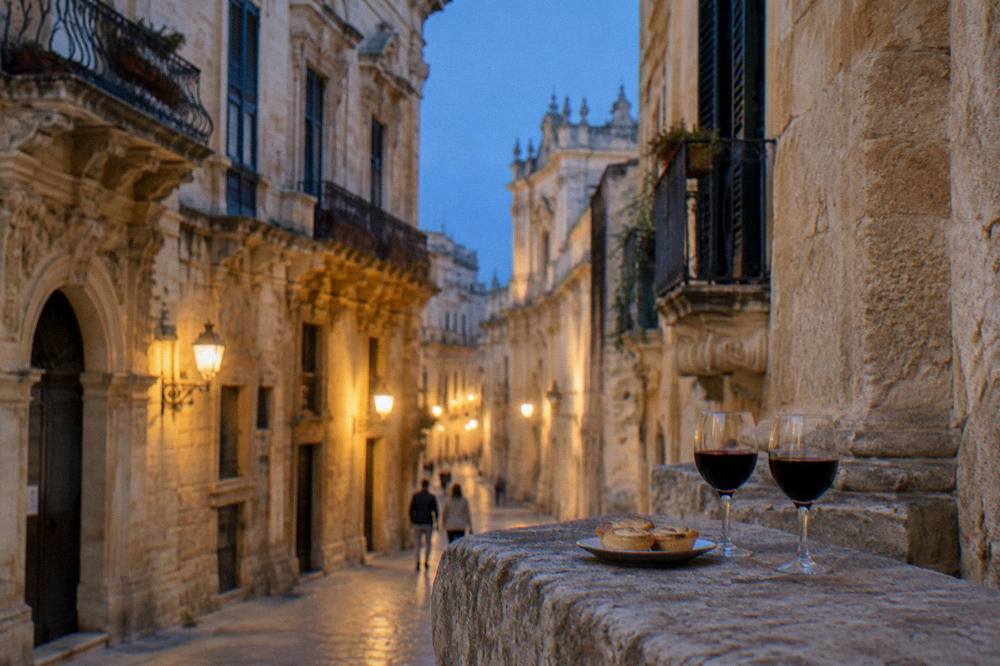
Whatever format you pick, book the eating early in the stay rather than the last night: a food walk on day one teaches you the dishes, the counters and the words, and everything you eat alone afterwards in Lecce benefits from it.