Three Days In Lecce: Adding Otranto Or Gallipoli
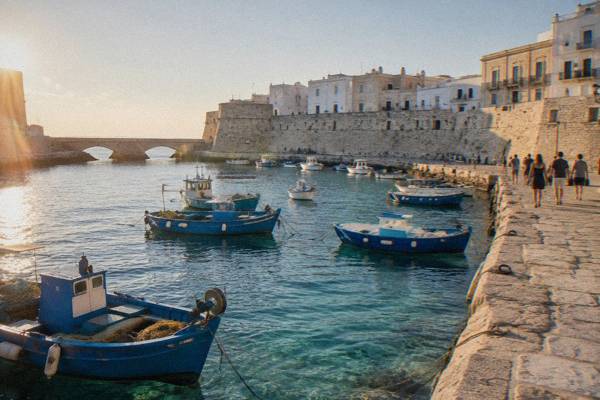
Lecce, the baroque capital of Salento in Puglia, rewards two full days in the old town, and a third day belongs to the coast: Otranto on the Adriatic or Gallipoli on the Ionian, both under an hour away.
Short answer
Three days is the right length for Lecce: one day for Piazza Sant'Oronzo and the amphitheatre, one for the Duomo, Santa Croce and the museums, and one day trip to Otranto or Gallipoli by train, bus or tour.
Lecce, the baroque capital of Salento in southern Puglia, is a compact honey-coloured city built from pietra leccese limestone, sitting a few kilometres inland between the Adriatic and the Ionian seas. Three days is the natural unit of time here: two days walk the whole old town at a sensible pace, because the centre between Porta Napoli and Piazza Sant'Oronzo is small enough to cross on foot in well under an hour, and a third day reaches the coast. The nearest beach, San Cataldo, is about 13 km away, but the real third-day prizes are Otranto and Gallipoli, two walled towns on opposite coasts of the peninsula, each under an hour from Lecce by road. This itinerary sets out what each day holds, what the verified tickets cost, and how the trains, buses and tours connect it all.
Is Three Days In Lecce Enough?
Three days is enough to see all of central Lecce and one coastal town, because the old town is compact and the LeccEcclesiae combined ticket covers the five main baroque churches in a single 11 euro pass valid 15 days. A first day covers Piazza Sant'Oronzo and the Roman Amphitheatre, a second covers the Duomo, Basilica di Santa Croce and a museum or two, and a third day reaches Otranto or Gallipoli in under an hour each way.
The honest framing is that Lecce is a small city of about 94,387 residents with a university population of roughly 20,774, so the centre is lively without being enormous. The baroque core, the churches, the castle and the three main squares fit into two unhurried days. What three days adds is not more churches but the Salento peninsula itself: Otranto's mosaic floor, Gallipoli's island old town, Galatina's frescoed basilica. Anyone with a fourth or fifth day can keep going, and the salento itinerary covers that longer loop; this page sticks to three.
A note on expectations. Lecce is often called the Florence of the South for its baroque stonework, a nickname whose origin is contested, and it is not a UNESCO World Heritage Site: "Salento and the Barocco Leccese" sits on Italy's Tentative List, submitted in 2006. The climate is Mediterranean, with ERA5 reanalysis 1991-2020 normals showing a mean daily high of about 31 C in July and August and November as the wettest month at 93.7 mm, so spring and autumn days suit walking best.
What Does Day One In Lecce Cover?
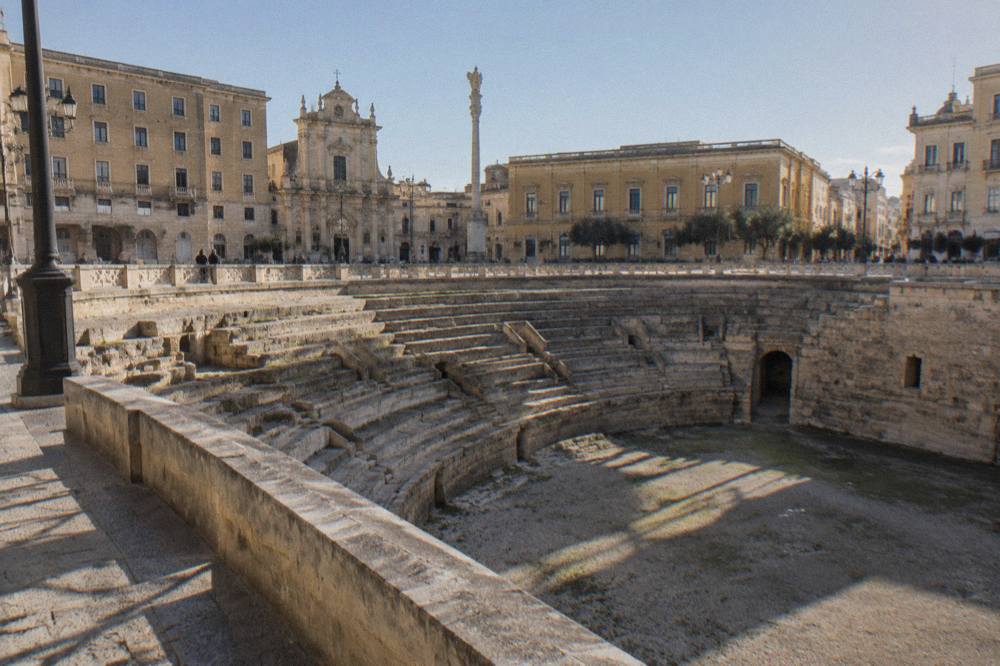
Day One covers Piazza Sant'Oronzo, the Roman Amphitheatre, the Sant'Oronzo column, Caffe Alvino for the local iced coffee, and an afternoon walk through the Giudecca quarter to the Basilica di Santa Croce's facade at golden hour, with everything reachable on foot inside the old town. The amphitheatre costs 5 euro full price and the whole day needs no other paid ticket.
Start at the amphitheatre, which is visible free from Piazza Sant'Oronzo itself. After a post-2025 restoration funded through a 1.5 million euro PNRR project, it reopened with a new accessible entrance and ramp, and it is visitable Tuesday to Sunday, 10:00 to 17:00 in winter (1 October to 31 March) and 10:00 to 13:00 plus 17:00 to 21:00 in summer, closed Mondays, at 5 euro full and 2 euro reduced. The Sedile and the column of Sant'Oronzo frame the square, and Caffe Alvino, with roots traced to about 1880, stands right there: this is the natural place to try a caffe in ghiaccio con latte di mandorla, iced espresso with almond milk, credited to Antonio Quarta of Quarta Caffe in the 1940s to 1950s.
The afternoon belongs to the streets. The Giudecca quarter, the old Jewish area, holds the Museo Ebraico at about 5 euro with guided visits only, and the paper trail of Lecce's Jewish history is one of the city's quieter stories. Walk north to the Basilica di Santa Croce facade in the later afternoon, when the pietra leccese catches low light; the interior is part of the LeccEcclesiae ticket, which Day Two uses. Finish with a rustico leccese, the savoury puff-pastry parcel of bechamel, mozzarella and tomato whose origins are uncertain but certainly not medieval, and read the centro storico guide if you want the full street-by-street version.
What Does Day Two In Lecce Cover?
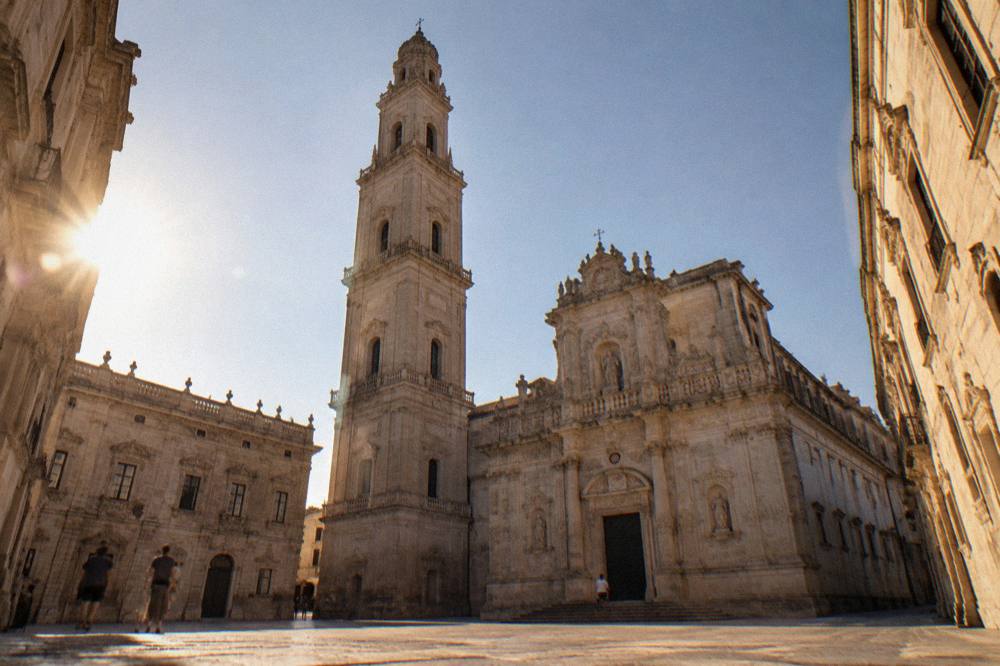
Day Two covers Piazza del Duomo, the Duomo and its crypt, the bell tower, Chiesa di San Matteo, Chiesa di Santa Chiara and the Antico Seminario with the MuDAS museum, all on the LeccEcclesiae combined ticket, followed by the Castello Carlo V guided tour at 10 euro or the Museo Faggiano at 5 euro. One full day is exactly enough for all of it at walking pace.
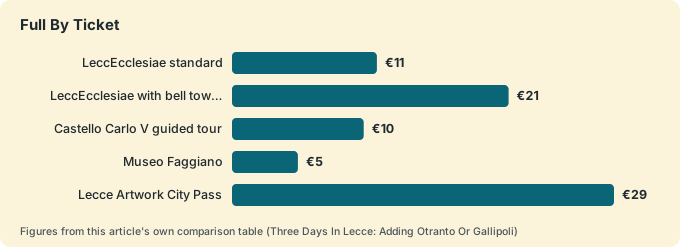
The LeccEcclesiae ticket, listed on the chieselecce.it site, bundles the Duomo with crypt, Santa Croce, San Matteo, Santa Chiara and the Antico Seminario with the Museo d'Arte Sacra. The standard ticket is 11 euro full, 5 euro reduced for ages 12 to 17 and 24 euro for a family of two adults plus 12 to 17 year olds, valid 15 days, free under 12. The full ticket adding the bell tower "Up" ascent costs 21 euro full, 13 euro reduced and 48 euro family, with ascents roughly every 20 minutes. Hours are 9:00 to 21:00 from April to September and 9:00 to 18:00 from October to March, last entry 15 minutes before close, and tourist access is limited during services. Dress with shoulders and knees covered.
| Ticket | Full | Reduced (12-17) | Family | Validity |
|---|---|---|---|---|
| LeccEcclesiae standard | 11 EUR | 5 EUR | 24 EUR | 15 days |
| LeccEcclesiae with bell tower | 21 EUR | 13 EUR | 48 EUR | 15 days |
| Castello Carlo V guided tour | 10 EUR | 6 EUR | castle + exhibitions 15 EUR | tour slot |
| Museo Faggiano | 5 EUR | 3 EUR (8-16), free 0-8 | single visit | day of visit |
| Lecce Artwork City Pass | 29 EUR | LeccEcclesiae + tower + extras | 7 days | pass |
After the Duomo, choose one underground thread. The Castello Carlo V runs guided tours only, Tuesday to Sunday, from October to May at 10:30, 11:30, 12:30, 16:00, 17:00, 18:00 and 19:00, at 10 euro full and 6 euro reduced, free to age 11, with the Museo della Cartapesta inside included; only the courtyard is free. The Museo Faggiano, open daily 9:30 to 20:00 at 5 euro, is the famous house-turned-archaeological-trench where layers from Messapians to convent life sit under one roof. If craft appeals more than excavation, a papier mache workshop is the Lecce signature, and the lecce papier mache story explains why the city's saints are made of paper.
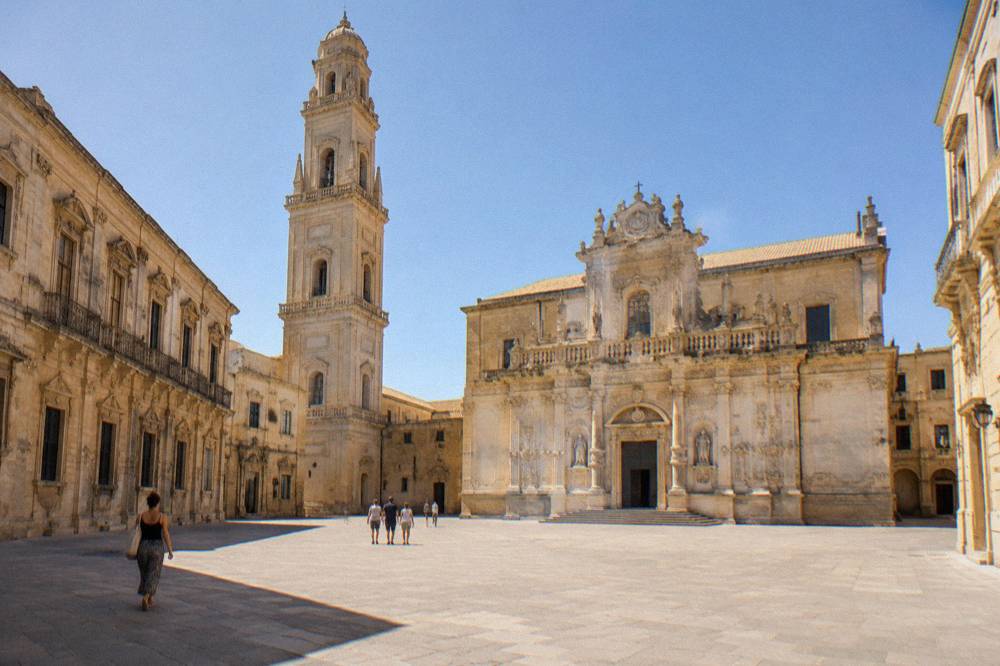
Between the Duomo and the castle, the lecce baroque walk route strings the main facades together, and the walking-tour options below put a guide on the same streets if you would rather not self-navigate.
If the second evening stretches, the MUST, Lecce's city history museum, is open Tuesday to Sunday to 19:00 or 20:00 depending on the day at 5.50 euro, and the Villa Comunale gardens are free public space for a flat-phone, no-ticket hour.
Should Day Three Go To Otranto Or Gallipoli?
Day Three should go to Otranto if the priority is one great monument, because its cathedral floor mosaic of 1163 to 1165 by the priest Pantaleone is the single most famous artwork in Salento, and to Gallipoli if the priority is atmosphere, because its old town stands on a limestone island joined to the mainland by a bridge. Both are about 40 to 45 minutes from Lecce by car and both are reachable by public transport.
The comparison is genuinely close, and the site's own dedicated comparison page works through it in detail at Gallipoli or Otranto. In short: Otranto, 46.7 km and about 44 minutes' drive from Piazza Sant'Oronzo, pairs the mosaic with an Aragonese castle whose seasonal tickets run about 6 euro in low season to about 12 euro in high season, plus the Adriatic coast at Baia dei Turchi, a protected pinewood beach where you park on the SP366 for 4 to 8 euro a day in high season and walk 10 to 15 minutes in. Gallipoli, 41.0 km and about 41 minutes, is the fisherman's island town, and the Castello di Gallipoli's ticket price was not published in the sources for this site, so confirm locally there.
| Destination | Drive from Lecce | Train | Bus | Key sight |
|---|---|---|---|---|
| Otranto | 46.7 km, about 44 min | FSE, change at Maglie, about 1h33 to 2h+, from about 4-5 EUR | about 55 min to 1h32, 2-6 EUR | Cathedral mosaic, 1163-1165 |
| Gallipoli | 41.0 km, about 41 min | FSE direct, about 1h18 to 1h43, from about 5 EUR | about 50 min to 1h05, 1-5 EUR | Island old town and bridge |
| Galatina | 25.7 km, about 29 min | FSE direct, about 38 to 55 min, from about 3 EUR | FSE network | Basilica di Santa Caterina, free |
| Santa Maria di Leuca | 83.2 km, about 78 min | no direct rail | about 2h to 2h15, from about 4-10 EUR | Basilica at the heel's tip |
Otranto's cathedral rules matter for planning: independent visitors enter free, but since 1 March 2026 groups and visitors with a licensed guide pay 2 euro per person, the Museo Diocesano is 3 euro, San Pietro is 3 euro, and a combined Cathedral, Museum and San Pietro ticket is 5 euro. Galatina makes a strong add-on on the Gallipoli axis, because its Basilica of Santa Caterina d'Alessandria is free to enter with split morning and afternoon hours, and Pasticceria Ascalone in the same town claims the 1745 invention of the pasticciotto, a claim historians dispute but a custard pastry worth eating regardless. The Otranto and Gallipoli pages carry the full sight lists.
The guided alternative is a single loop, and it is the related tour this site features for exactly this decision:
That private tour strings Otranto, Leuca, Gallipoli and Galatina into one circuit, which is the only realistic way to see the heel's tip on a three-day trip. If a van with other travellers suits better, the Otranto, Castro, Leuca and Gallipoli van day tour adds the Castro stop with its Grotta Zinzulusa, a sea cave visitable year-round on guided visits at 7 euro full and 4 euro reduced. Details and live pricing are on the operator's listing, and you can Check availability if that shape fits.
What Does A Three-Day Lecce Trip Cost In Tickets?
A three-day Lecce trip costs about 26 euro per adult in monument tickets at 2026 prices, assuming the 11 euro LeccEcclesiae standard ticket, the 5 euro amphitheatre or Museo Faggiano and the 10 euro Castello Carlo V tour, plus 5 to 10 euro each way for the day trip by FSE train and a tourist tax of up to 5 euro per night collected by the accommodation. Food and lodging are separate and hotel rates are not quoted on this site.
The ticket arithmetic is transparent because Lecce's pricing is simple. The LeccEcclesiae pass covers the five church sites for 15 days, so it does not all have to be Day Two. The Lecce Artwork City Pass at 29 euro for 7 days adds the bell tower and extras such as the Palazzo Vernazza phygital experience, which on its own is 10 euro ordinary and 8 euro reduced, open daily 15:30 to 21:00; do the sums before buying, because the pass only pays off if the extras are on your list. The Parco archeologico di Rudiae runs 5 euro full on weekend guided visits, weekdays by booking. Everything else covered here is indexed on Lecce Travel Guide.
| Day | Paid entries | Budget figure |
|---|---|---|
| Day One | Roman Amphitheatre (5 EUR), optional Museo Ebraico (5 EUR) | 5-10 EUR |
| Day Two | LeccEcclesiae standard (11 EUR), Castello Carlo V (10 EUR) or Museo Faggiano (5 EUR) | 16-21 EUR |
| Day Three | Otranto combined 5 EUR, or Galatina basilica free | 0-5 EUR |
| Transport | FSE day-return fare to Otranto or Gallipoli | about 8-10 EUR |
| Tourist tax | up to 5 EUR per person per night, top rate, confirm at booking | varies |
Two practical notes. The ZTL, Lecce's camera-policed limited traffic zone, is active weekdays roughly 13:00 to 16:30 and 20:00 to 10:00 and 24 hours on Sundays and holidays, with fines of 83 to 332 euro, so anyone driving in should ask their accommodation to register the plate; the ZTL and parking page covers the details. And the tourist tax from 1 April 2026 runs by category and season up to 5 euro per person per night at the top reported rate, collected by the accommodation: confirm at booking.
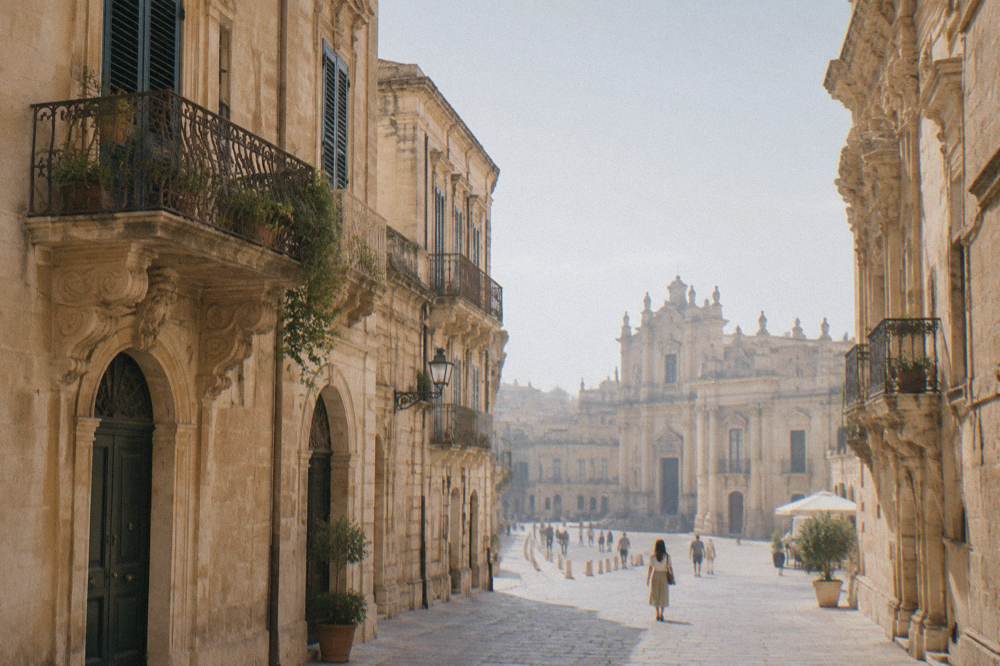
How Do You Get Around Lecce And Out To The Coast?
You get around central Lecce entirely on foot, because the old town inside the walls is compact and flat, and you reach the coast by FSE regional train, by the seasonal Salento in Bus shuttles, or by a guided tour; SGM city buses cost about 1.20 euro for a 60-minute ticket and the San Cataldo beach bus, line 32, runs from the City Terminal in about 20 minutes.
Lecce has no commercial airport. Brindisi (BDS) is the gateway, 47.6 km and about 43 minutes by road, with Terravision buses at 6.50 euro one way and 13 euro return taking about 40 minutes; the Brindisi airport to Lecce page has the full picture. Rail into Lecce is Trenitalia territory northwards, with Lecce to Bari Centrale taking from about 1h19 on fast trains, while the FSE Ferrovie del Sud Est network spreads south and west to Gallipoli, Otranto with a change at Maglie, and Galatina. FSE single fares in 2026 scale from 1.30 euro for 1 to 10 km up to 5.40 euro for 51 to 60 km.
Salento in Bus, the summer shuttle network, ran 13 June to 13 September in 2026 with lines 101 (Lecce, Torre dell'Orso, Otranto), 104 (Lecce, Porto Cesareo, Gallipoli) and 107/108 towards Leuca, fares 1.10 to 5 euro, under 10s free, tickets through the Itineris platform with a 1 euro surcharge on board. It is a summer-only service and the 2027 dates had not been announced. In town, blue-zone SGM parking runs about 1.10 euro per hour and the Park Liberty underground car park near the centre holds 466 spaces at about 1.50 euro per hour by day.
For the car-free third day, the site's own rundown of day trips from Lecce without a car lists what the trains reach, and the two tours below cover the same coast with someone else doing the driving.
When Should You Take This Three-Day Trip?
The best months for this itinerary on the climate data are May, June and September, when the ERA5 reanalysis 1991-2020 normals show mean daily highs of about 23 C, 28 C and 26 C with monthly rainfall of 40, 18 and 59 mm, and the sea is warm enough to swim, at about 22.5 C in June and 24 to 25 C in September, avoiding the July and August peak heat of about 31 C and the November peak rainfall of 93.7 mm.
August has its own pull if festivals matter. The Festa dei Santi Patroni, honouring Oronzo, Giusto and Fortunato, ran 23 to 26 August in 2026 with processions and illuminations, and the Notte della Taranta Concertone in nearby Melpignano fell on Saturday 22 August 2026 for its 29th edition; the 2027 dates had not been announced. December brings the Fiera dei Pupi, the papier mache Christmas fair, in a pattern running early December to the 24th. The best time to visit Lecce guide unpacks the trade-offs month by month, and the Lecce events calendar lists what falls when.
One seasonal caution that belongs on any Salento planning page: Grotta della Poesia near Roca Vecchia, the famous limestone pool, has banned bathing and diving since summer 2026, and non-residents of Melendugno paid a 5 euro ticket in the 2026 season to view it from the paths. The 2027 rules were not published. Do not build a swimming stop there into Day Three.
What If You Have A Fourth Day?
A fourth day from Lecce goes either deeper into Puglia's north, by train to Ostuni in 39 to 51 minutes or Polignano a Mare in about 1h09 to 1h21, or across the regional border to Matera by bus in about 3h30 to 4h10 for 11 to 37 euro, and the site's four-day and week-long itineraries cover both shapes.
The train spine north is the easy extension: Ostuni, the white hill town, and Polignano a Mare on its sea cliffs are both direct from Lecce, and Alberobello of the trulli needs a change onto FSE for a total of about 2h30 to 3h. Matera sits in Basilicata, a different region, about 176.9 km and 161 minutes' drive or the bus times above. Those three named towns plus Monopoli and Locorotondo make up the classic Puglia itinerary, and the driving version is mapped in the Puglia road trip guide. If Matera is the priority, the dedicated Lecce and Matera itinerary splits the two cities sensibly.
For the reverse question, whether three days is even the right count, the site's own answer page on how many days you need in Lecce argues the case, and the wider how many days are needed in Salento page extends it to the peninsula. The short version: two days in the city, one on the coast, then reassess.
What Should You Eat Across Three Days In Lecce?
Across three days in Lecce you should eat pasticciotto, the custard shortcrust pastry Pasticceria Ascalone of Galatina claims to have invented in 1745, rustico leccese, the savoury bechamel and mozzarella puff parcel, caffe in ghiaccio con latte di mandorla, iced espresso with almond milk, and at least one plate of orecchiette with a Negroamaro-based Salice Salentino DOC wine, a designation established in 1976.
The pastry trail is short and walkable. Pasticceria Natale, family-run since 1978, lists a pasticciotto at 2.20 euro, and Caffe Alvino in Piazza Sant'Oronzo with roots to about 1880 is the classic counter for the iced coffee. The 1745 date should travel as a claim, not a fact: the shop says so, the shop is in Galatina not Lecce, and historians dispute it. Salento wine is dominated by Negroamaro, the base grape of Salice Salentino DOC covering areas of Lecce and Brindisi provinces, with Primitivo di Manduria the other regional headline. The what to eat in Lecce and salento wine guides carry the full lists.
A food tour collapses the tasting trail into one walk if three days feels tight for both sightseeing and grazing, and the street-food walk below is the relevant shape:
That small-group walk pairs the history with the tastings; the lecce food tour page compares the options in full, including the pasta classes if cooking beats eating.
More Questions About Three Days In Lecce
Is three days in Lecce enough?
Yes for the city itself plus one coastal day trip: the old town's churches, castle and museums fit into two days on the LeccEcclesiae combined ticket, and Otranto or Gallipoli is under an hour away for the third. A fourth day extends to Ostuni, Polignano a Mare or Alberobello by train.
Should I visit Otranto or Gallipoli from Lecce?
Otranto for the 1163 to 1165 cathedral mosaic by Pantaleone and the Aragonese castle, Gallipoli for the island old town on its bridge. Both are about 40 to 45 minutes by car; Otranto needs a train change at Maglie, Gallipoli has a direct FSE train. A guided loop tour covers both in one day.
Do I need a car for three days in Lecce?
No. The old town is walkable, FSE trains reach Gallipoli, Otranto via Maglie and Galatina, and summer Salento in Bus shuttles ran to the coasts from 13 June to 13 September in 2026. A car helps for Baia dei Turchi or scattered inland towns, and if you drive, ask your accommodation about ZTL plate registration.
What tickets should I buy in advance for Lecce?
The LeccEcclesiae combined ticket (11 euro standard, valid 15 days) can be bought at Piazza Duomo 5 or Basilica di Santa Croce, and the Castello Carlo V guided tour (10 euro) runs on fixed slots, Tuesday to Sunday, so book that one for a set time. Everything else in town is pay-at-the-door.
Is Lecce or Otranto the better base?
Lecce, for a three-day trip: it has the rail hub, the food scene and two days of its own sights, while Otranto is a smaller coastal town best reached as a day trip. The site's dedicated comparison covers the trade-offs at Lecce or Otranto.
Three days in Lecce, then, is two days of baroque stone and one day of sea, stitched together by a 15-day church ticket and an hourly regional railway. Pack walking shoes, keep the third day loose until you know whether the mosaic or the island calls louder, and the rest of the plan fits in a pocket.