Is Lecce Near The Coast?
Lecce sits a few kilometres inland in Salento, with the Adriatic about 13 km away at San Cataldo and sandy Ionian beaches further west. Here is what that means for a visit.
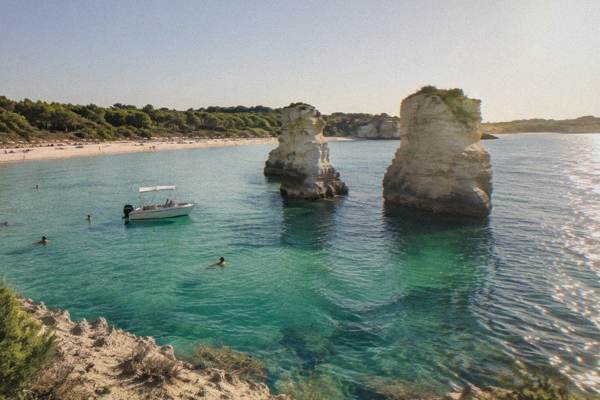
Lecce, in Puglia, southern Italy, is a baroque city built a few kilometres inland, not a beach town. San Cataldo, the nearest stretch of coast on the Adriatic, is about 13 km from the centre, roughly 14 minutes by car in free-flow traffic, and the comune of Lecce itself counts San Cataldo among its five marine, the seaside districts that belong to the municipality. So the honest answer to the question is yes with a footnote: the sea is close, the city itself never touches it, and the layout of the old town, all pietra leccese limestone and tight streets, exists precisely because it was built away from the water.
That footnote is worth understanding before you book anything, because it shapes the whole trip. Salento, the sub-peninsula at the heel of Italy, is flanked by two seas: the Adriatic to the east, with a cliffier, rockier coastline, and the Ionian to the west, with sand and shallower water. Lecce sits between them, near the narrow neck of the peninsula, which is why day trips in almost any direction end at water. This page, from the Lecce Travel Guide editorial desk, sets out the distances, the transport options and what an inland base means in practice.
Is Lecce Near The Coast?
Yes, but it is not on it: Lecce lies inland at the neck of the Salento peninsula, with the Adriatic about 13 km away at San Cataldo, reachable in roughly 14 minutes by car, and the sandy Ionian coast about 34 minutes away at Porto Cesareo. The comune of Lecce includes five seaside marine, including San Cataldo, so the municipality technically reaches the sea even though the historic centre does not.
The distinction between the city and the comune matters here. The old town, the baroque churches and the squares visitors come for are several kilometres from any beach. But Lecce as an administrative area includes San Cataldo and other marine, low sandy coast with a pine forest and reserve, described by the comune's own pages on its five marine. SGM bus line 32 runs from the City Terminal to San Cataldo's lido areas in about 20 minutes in the summer pattern, which makes it the default quick beach run.
In the other direction, the Ionian side is also close. Porto Cesareo is 28 km and about 34 minutes by car from Piazza Sant'Oronzo, and the Salento in Bus summer network's line 104 links Lecce, Porto Cesareo and Gallipoli. Gallipoli itself, an old town on a limestone island linked to the mainland by a bridge, is 41 km and about 41 minutes by car. Otranto on the Adriatic, south of San Cataldo, is about 47 km and 44 minutes.
| Coastal place | Sea | Distance by car from Piazza Sant'Oronzo | Drive time, free flow |
|---|---|---|---|
| San Cataldo | Adriatic | 12.9 km | about 14 min |
| Porto Cesareo | Ionian | 28.0 km | about 34 min |
| Gallipoli | Ionian | 41.0 km | about 41 min |
| Otranto | Adriatic | 46.7 km | about 44 min |
| Castro | Adriatic | 47.4 km | about 48 min |
| Santa Maria di Leuca | Adriatic tip | 83.2 km | about 78 min |
Drive times are computed from free-flow routing and will run longer in August traffic. What the table shows is the geometry of the place: Lecce is a hub with two coasts within an hour, and the further south you go, the longer the drive, because the peninsula widens toward Leuca.
Which Coast Should You Head To From Lecce?
The Adriatic side, east and south of Lecce, is the cliffier, rockier coast, reached fastest at San Cataldo and Torre dell'Orso; the Ionian side to the west is the sandy, shallower one, with Porto Cesareo and the wide sands at Pescoluse. Neither is ranked as the better coast here: the choice is between rock and sand, nearer and quieter versus further and wider.
San Cataldo is the nearest option and the one with the simplest bus link. Further down the Adriatic, Torre dell'Orso, about 28 km and 32 minutes by car, is on Salento in Bus line 101 in the summer season, which ran 13 June to 13 September in 2026. Roca Vecchia near Torre dell'Orso holds the Grotta della Poesia, a karst pool where bathing and diving have been banned since summer 2026, with a 5 euro ticket for non-residents of Melendugno in the 2026 season: it is a viewpoint now, not a swim. The 2027 rules had not been announced, so confirm locally.
On the Ionian side, Porto Cesareo is the easy half-day target. Further south, Pescoluse at Marina di Salve is the stretch marketed as the "Maldives of Salento": long fine white sand, dunes and shallow turquoise water, and it held a Blue Flag in 2026. Otranto combines a beach visit with a town worth seeing in its own right, including the cathedral with its 1163 to 1165 mosaic floor, and Baia dei Turchi nearby is a protected pinewood where you park on the SP366, about 4 to 8 euro a day in high season, and walk 10 to 15 minutes in.
Reported 2026 lido prices for an umbrella and two sunbeds per day, from a Corriere Salentino and Udicon survey: San Cataldo ran 15 to 25 euro in June and 33 to 35 euro in August; Torre dell'Orso and San Foca 25 to 35 euro in June and 50 to 60 euro in August; Otranto 20 to 50 euro across the season; Ionian lidos generally higher. Prices change by year, so treat those as planning ranges and check at the lido.
A trip split between town and sea works well in Lecce, and the same logic applies to the days you stay in the city itself. The rickshaw highlights tour below covers the baroque centre without long walks in the heat, which pairs neatly with a morning or afternoon at the beach; the rickshaw tour and two food-focused options round out a coast-and-city stay.
Can You Visit The Beach From Lecce Without A Car?
Yes, in summer: the Salento in Bus network, which ran 13 June to 13 September in 2026, connects Lecce to Torre dell'Orso and Otranto on line 101, Porto Cesareo and Gallipoli on line 104, and Leuca on lines 107 and 108, with fares from about 1.10 to 5 euro. The SGM line 32 bus reaches San Cataldo in about 20 minutes. Outside that summer window, the coast is harder without a car.
Salento in Bus is a seasonal service operated by Cotrap with provincial partners, and its 2026 season is the latest confirmed edition. Peak frequency ran 1 July to 31 August, with reduced service in the shoulder weeks of mid-June and early September. Tickets are distance-based, bought through the operator's app or site, with a 1 euro surcharge on board, and children under 10 travelled free in 2026. The 2027 dates had not been announced.
The rail option is the other year-round answer. The FSE network serves Gallipoli directly from Lecce in about 1h18 to 1h43, Galatina in about 38 to 55 minutes, and Otranto with a change at Maglie in about 1h33 to 2 hours or more. Trenitalia's long-distance lines from Lecce run north toward Brindisi and Bari rather than to the Salento beaches, so for coastal destinations the FSE side of the station is the one that matters.
Winter and spring are the weak spot. With Salento in Bus off the road, San Cataldo's SGM line 32 remains, but the wider coast effectively requires a car, a taxi or a tour. If you are visiting outside summer and the sea is a priority, either base part of the stay in a coastal town or plan on driving. Readers weighing that trade-off may find the site's pages on how many days you need in Lecce and day trips from Lecce without a car useful companions to this one.
Does Being Inland Make Lecce A Bad Summer Base?
No: the inland position is exactly why Lecce works as a base, because it sits at the junction of both coasts with two seas within an hour's drive, while the city itself keeps its restaurants and evening life at a distance from the humidity right on the shore. The trade-off is a drive or a bus for every beach day, and August traffic lengthens those drives.
The climate numbers explain the rhythm. The ERA5 reanalysis, 1991-2020, gives Lecce a mean daily high of about 31 C in July and August, with rainfall at its lowest in July at 15.3 mm and its highest in November at 93.7 mm. The sea, per seatemperature.org data for the region, sits at about 22.5 C in June, 25 to 27 C at the August peak, 20 to 22 C in October and about 14 C in February. In practice that means beach weather runs from June into September, and the sea is genuinely warm at the height of it. Other pages covering the same trip are gathered on Lecce Travel Guide.
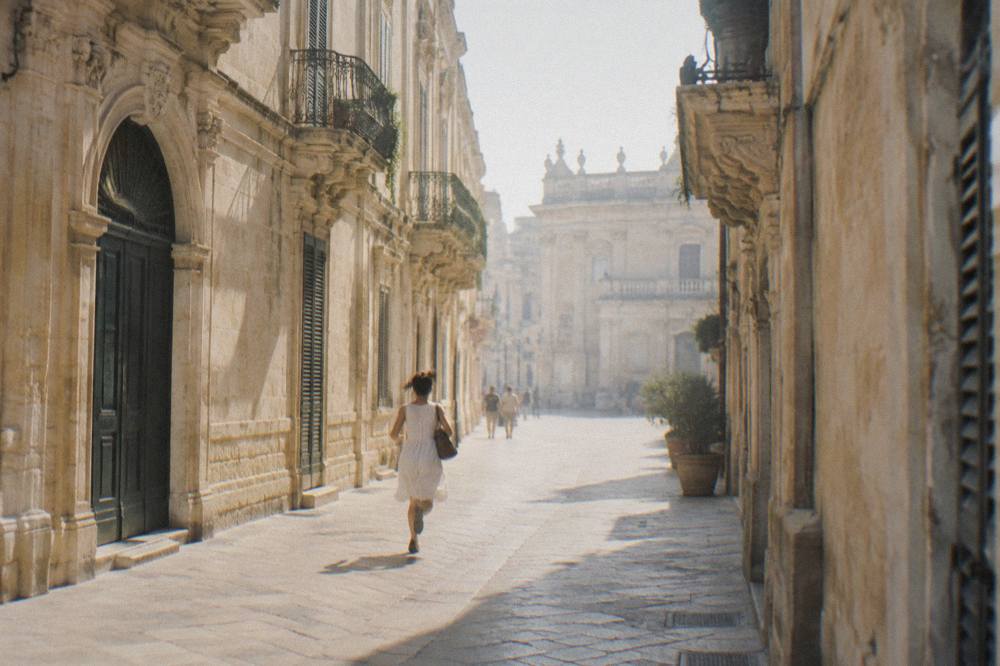
What the city gives you in exchange for the drive is density. The baroque centre, from Piazza Sant'Oronzo to Piazza del Duomo, is compact and walkable, and the sightseeing clusters: the LeccEcclesiae combined church ticket covers the Duomo, Santa Croce and other sites on one pass valid 15 days. Evening is when an inland base shows its value, since the old town's cafe life, including historic Piazza Sant'Oronzo institutions with roots to about 1880, runs late without anyone needing to leave town.
| Question | Short answer | Key figure |
|---|---|---|
| Nearest beach to Lecce? | San Cataldo, Adriatic | 12.9 km, about 14 min by car |
| Nearest sandy Ionian beach? | Porto Cesareo | 28 km, about 34 min by car |
| Bus to the nearest beach? | SGM line 32, summer pattern | about 20 min from City Terminal |
| Summer beach bus network? | Salento in Bus, seasonal | ran 13 June to 13 Sept 2026 |
| Warmest sea month? | August | 25 to 27 C |
One practical warning if you drive: the historic centre is inside a camera-policed ZTL, active on weekdays in the reported afternoon and overnight windows and all day Sundays and holidays, with fines from 83 to 332 euro. Ask your accommodation to register your plate, and use the peripheral car parks.
What Does An Inland Baroque City Do All Day?
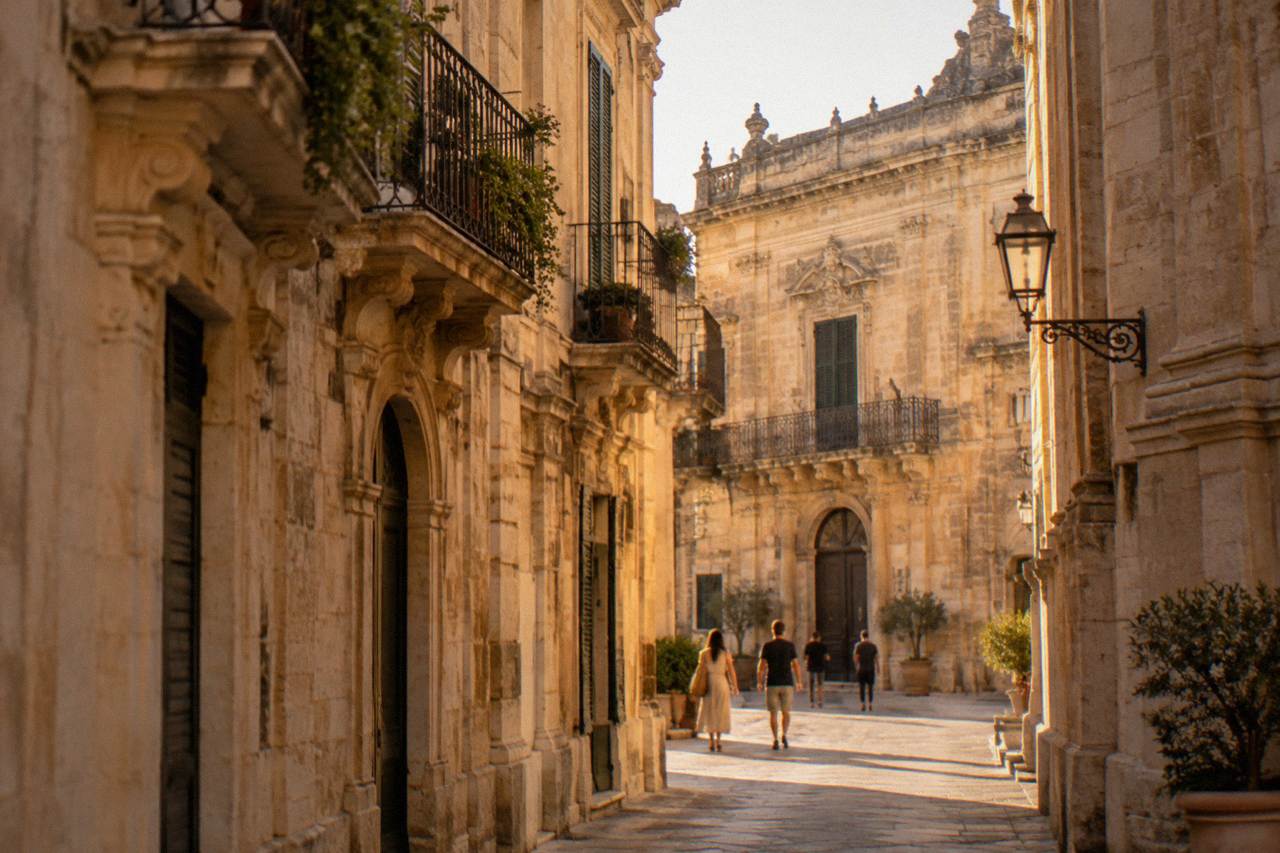
Lecce fills the non-beach hours with the densest concentration of Lecce Baroque architecture in Salento, in honey-coloured pietra leccese, plus a Roman amphitheatre visible free from Piazza Sant'Oronzo, the papier-mache craft tradition, and a food culture running from the caffe in ghiaccio con latte di mandorla to Negroamaro-based Salice Salentino wines.
The stone itself explains the city. Pietra leccese is a Miocene limestone, soft when quarried and hardening on exposure, which is why the facades carry such deep carving. The baroque walk through the centre is the standard first activity, and the churches are tied together by the LeccEcclesiae ticket, 11 euro standard in the 2026 pricing. Museo Faggiano, 5 euro, layers Roman, medieval and later remains under one palazzo.
The food thread is its own reason to stay in town for a meal. The caffe in ghiaccio con latte di mandorla, iced espresso with almond milk, is credited to Antonio Quarta in the 1940s to 1950s and is on every bar counter in the city. Pasticciotto, the custard tart, is claimed by a Galatina pastry shop with a 1745 date, though the shop says so itself and historians dispute it. Salice Salentino DOC, established 1976, is the local Negroamaro-based red. For the fuller picture, see the site's guide to things to do in Lecce.
If you want the sea within the same day without driving yourself, boat trips from the south of the peninsula, including cave tours out of Santa Maria di Leuca, are listed among the site's tours, and the masseria visit above adds an inland Salento counterpoint to the coast: farmstead country, cheese and burrata tasting between the two seas.
Common Questions About Lecce And The Coast
Is Lecce a seaside town?
No. Lecce is an inland baroque city at the neck of the Salento peninsula. Its comune includes seaside districts such as San Cataldo, about 13 km from the centre, but the historic town itself sits entirely away from the water.
How far is Lecce from the beach?
The nearest beach, San Cataldo on the Adriatic, is 12.9 km from Piazza Sant'Oronzo, about 14 minutes by car or about 20 minutes on the SGM line 32 bus in the summer pattern. The sandy Ionian coast at Porto Cesareo is 28 km, about 34 minutes.
Can you get from Lecce to the coast by public transport?
Yes, best in summer. The Salento in Bus network ran 13 June to 13 September in 2026 with lines to Torre dell'Orso, Otranto, Porto Cesareo, Gallipoli and Leuca, fares from about 1.10 to 5 euro. FSE trains reach Gallipoli, Galatina and Otranto year-round; the 2027 bus dates had not been announced.
Which sea is warmer near Lecce?
Regional sea temperature data shows about 22.5 C in June, 25 to 27 C at the August peak, 20 to 22 C in October and about 14 C in February. The site carries no separate figures breaking the Adriatic from the Ionian, so treat those as regional averages.
Is it better to stay in Lecce or on the coast?
That depends on the trip and this site's verified coverage is Lecce-centric. Lecce as a base puts both coasts within about an hour by car and keeps you in the baroque centre for evenings; a coastal base puts the beach at the door but moves every sightseeing day inland. See the site's page on where to stay for the city's own districts.
In short: Lecce is near the coast, not on it, and that distance of about 13 km to San Cataldo is the single fact that defines how a trip here is planned, mornings in baroque stone and afternoons, if you wish, in the Adriatic or the Ionian, all from one inland base.