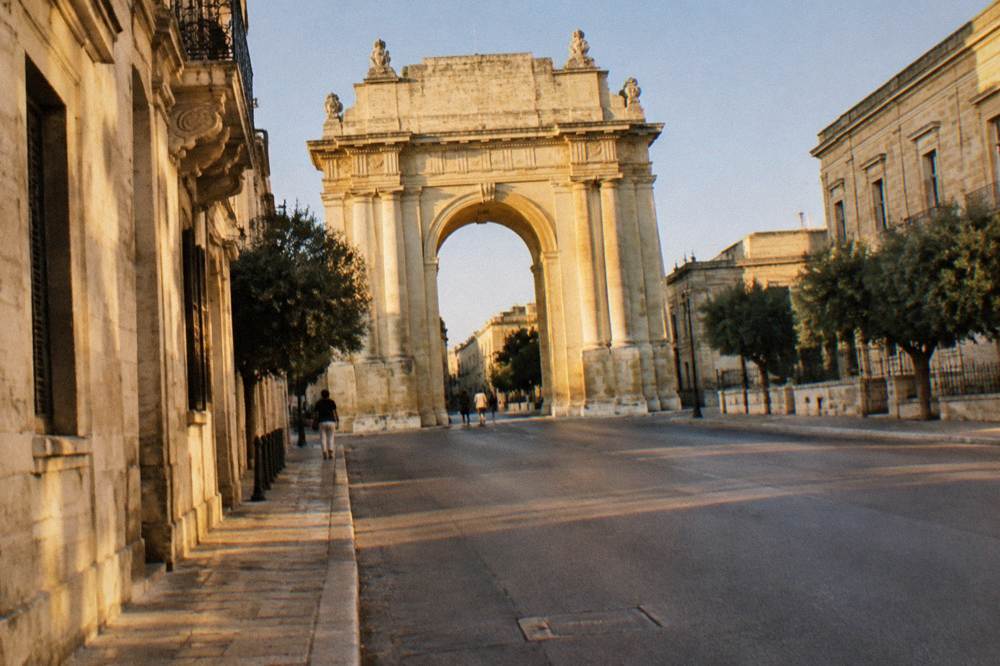
Is It Difficult For Americans To Drive In Italy?
How hard is driving in Italy for Americans, with Lecce and Salento as the test case: the ZTL cameras, the roads, the licence question, and when a car is not needed at all.
Lecce, the baroque capital of Salento at the heel of Italy, is the kind of place where the driving question gets sharply focused, because the old town is a compact web of narrow limestone streets and the whole of Puglia beyond it is flat, signposted and, by southern-Italian standards, calm. Americans planning a trip around Lecce usually imagine Roman traffic chaos and aggressive tailgating. The reality reported by the sources on this site is more specific: the mechanical act of driving on the right in a small car is easy, while the two things that actually cost visitors money are the limited traffic zone, the ZTL, in the historic centre, and parking. Both are avoidable with a little planning, and for the days when they feel like too much, the region has trains and buses that reach the same towns.
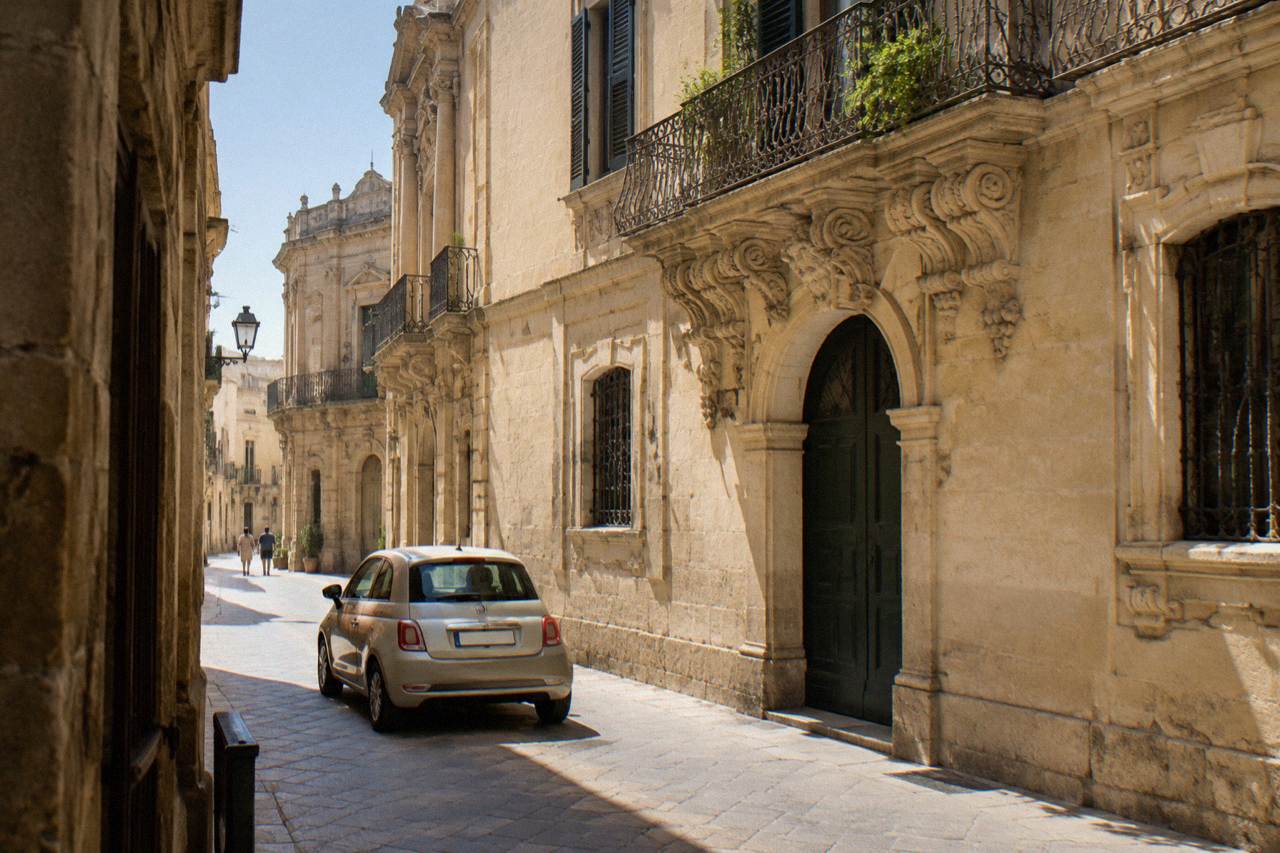
Is It Difficult For Americans To Drive In Italy?
For Americans, driving in Italy is moderate rather than difficult, and around Lecce it is genuinely easy once the car is out of the historic centre: Italians drive on the right, Salento's roads are flat and quiet by Italian standards, and the two real hazards are the camera-policed ZTL in Lecce's centre, with reported fines of 83 to 332 euro, and scarce central parking. The licence and permit question is the one piece of paperwork to settle before flying, and it is covered below. Everything else is habit: roundabouts, narrow lanes, and small engines.
The fear usually comes from films of Naples or Rome. Puglia is not that. The Salento peninsula is flat, the main roads are the SS16 corridor and the provincial roads beyond it, and the country roads between olive groves carry far less traffic than an American suburban arterial. The Lecce constraints on this site record free-flow drive times from Piazza Sant'Oronzo that read like a commuter table: about 14 minutes to the sea at San Cataldo, 29 minutes to Galatina, 41 minutes to Gallipoli.
What catches visitors is not speed or aggression. It is the paperwork and the cameras. An American who arrives without the right permit can be refused a rental car at the desk, and an American who drives into Lecce's ZTL at the wrong hour will meet a fine in the post months later, often forwarded by the rental company with an admin fee attached. Both problems are solved before the trip, not during it.
For travellers who would rather not drive at all on at least some days, there is a middle path. Trains and seasonal buses cover the coast, and a guided day trip such as the Alberobello, Locorotondo and Ostuni tour with tastings puts the long northern drives in someone else's hands. Our guide to reaching Lecce without a car covers the rail and airport options, and the answers piece on car-free day trips lists what is reachable by train.
What Should Americans Know About The Lecce ZTL Before Driving In?
The ZTL, or limited traffic zone, is the single biggest driving hazard for Americans in Lecce: the historic centre is closed to unauthorised cars, the rules are enforced by cameras rather than police stops, and the reported pattern is weekdays roughly 13:00 to 16:30 and 20:00 to 10:00, plus all day on Sundays and holidays, with fines reported at 83 to 332 euro. The hours are reported, not guaranteed, so check the current municipal ordinances and ask the accommodation before driving anywhere near the centre.
The ZTL works like this: cameras read every number plate crossing the boundary. If the plate is not registered, a fine is generated automatically. The visitor never sees a barrier or an officer, which is exactly why it feels unfair later. The three practical defences are simple. Park outside the zone and walk in. Ask the hotel or B&B whether it can register the plate, which accommodations inside the zone can often do. And treat Porta Napoli, always reported as closed, as a boundary never to cross by car.
Parking on the periphery is the standard move. One car park is recorded in this site's constraints: Park Liberty, reported to hold 466 spaces near the centre. No other car park name or tariff was sourced, so confirm prices on arrival. Beyond the centre, the old town is compact enough that a car parked at the edge serves the whole visit, and the walkability of Lecce makes the walk in part of the pleasure rather than a penalty.
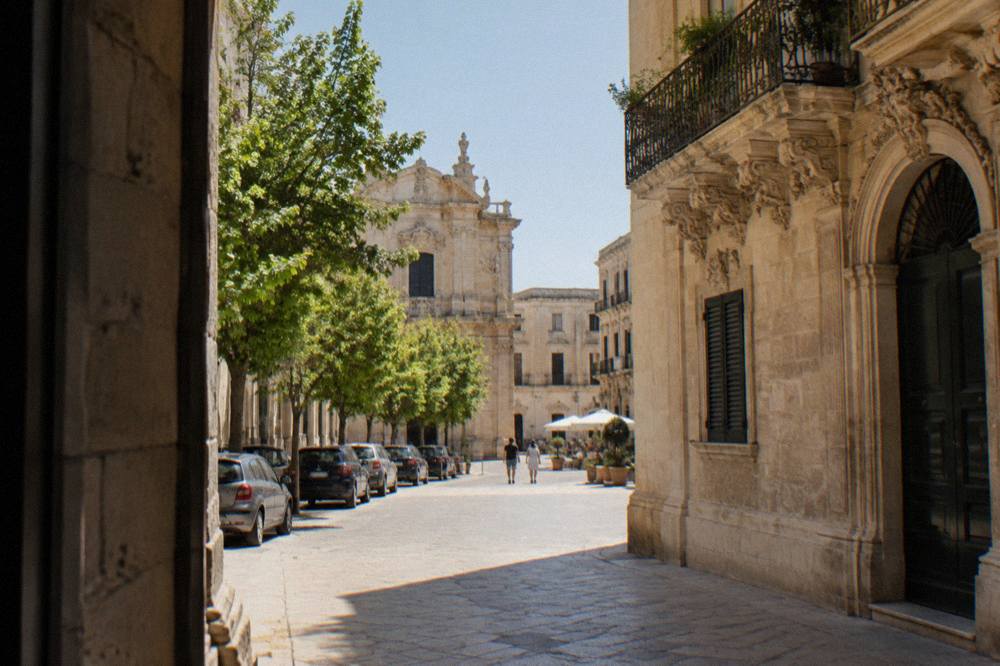
Does An American Licence Work In Lecce And Puglia?
An American driver's licence is accepted for a short tourist stay in Italy, but many rental companies require an International Driving Permit alongside it, so the requirement must be confirmed with the rental company and the traveller's own licensing authority before the trip; no rule is stated here because the requirement varies by company and by state of issue. The permit is a translation document issued in the United States before departure, not a licence in itself, and arriving without it when the desk demands one means no car.
This is deliberately the only licence guidance on this page. Requirements shift with rental policy, length of stay and licence-issuing state, and a wrong statement here would be worse than none. What can be stated is the environment the licence will be used in: Italy drives on the right, uses kilometres, and posts limits on circular signs. Motorway travel between Bari and Lecce is toll motorway, and the toll booths take cards as well as cash. The full index of guides sits on Lecce Travel Guide.
Two other basics matter more than Americans expect. The emergency number throughout Italy, as across the EU, is 112. And fuel is sold self-service with an attendant option at some stations, closing for a mid-afternoon pause in smaller towns, so filling up before a long drive across Salento avoids a detour. For the drive itself, the distances from Lecce are short enough that range anxiety barely applies.
| Destination from Lecce | Distance | Free-flow drive time |
|---|---|---|
| San Cataldo (nearest beach) | 12.9 km | about 14 min |
| Galatina | 25.7 km | about 29 min |
| Porto Cesareo | 28.0 km | about 34 min |
| Gallipoli | 41.0 km | about 41 min |
| Otranto | 46.7 km | about 44 min |
| Santa Maria di Leuca | 83.2 km | about 78 min |
| Ostuni | 78.3 km | about 66 min |
| Alberobello | 114.1 km | about 91 min |
| Matera (Basilicata) | 176.9 km | about 161 min |
Those figures are computed free-flow times from Piazza Sant'Oronzo, so August traffic near the coast will stretch them. Even so, the pattern is clear: everything within Salento is under an hour, and the long drives, Alberobello, Matera, Polignano a Mare, are the ones where a guided tour or a train competes well with a self-driven car.
Is Driving In Lecce Harder Than In The Rest Of Puglia?
Lecce itself is the hardest place to drive in the region precisely because its historic centre is dense, narrow and camera-protected, while the rest of Puglia is easier: Bari's traffic is heavier, the Salento country roads are quiet, and the towns around Lecce are small enough that one misread sign costs a U-turn, not a fine, except where smaller ZTL zones exist, so the rule of parking at the edge applies everywhere. In short, the difficulty is concentrated in the city, not the region.
Inside the old town, streets are wide enough for one small car and nothing else, buildings overhang, and pedestrians treat the lane as theirs, which, historically, it was. The instinct to push the car to the hotel door is the one to resist. Outside the walls, Lecce opens into 19th-century ring roads and modern avenues where driving is unremarkable.
The rest of Salento rewards a car warmly. The two coasts sit under an hour apart, so a morning on the Adriatic and an evening on the Ionian is a real day plan. The Salento itinerary and the Puglia road trip guide on this site lay out the routes, and the comparison of Lecce and Bari as bases weighs where a car helps most.
| Driving context | Difficulty for an American | The one thing to know |
|---|---|---|
| Lecce historic centre | High | ZTL cameras, reported 83 to 332 euro fines |
| Lecce outside the walls | Low | Park at the edge, walk in |
| Salento country roads | Low | Flat, quiet, single carriageways |
| Coast roads in August | Moderate | Beach traffic, slow through towns |
| Bari to Lecce motorway | Low | Toll road, card payments accepted |
| Matera run | Moderate | About 161 min, crosses into Basilicata |
When Should Americans Skip The Car Around Lecce Altogether?
Americans should skip the car for the days spent inside Lecce and for the day trips reachable by train, because the old town is walked, not driven, and FSE regional trains and Trenitalia reach Otranto, Gallipoli, Galatina, Ostuni and Bari without a ZTL or a parking search, while a car earns its cost on coastal hops, rural masserie and multi-town loops where buses thin out. The split, not an all-or-nothing choice, is what experienced planners use.
Lecce's own sightseeing needs no vehicle at all. The Duomo, Basilica di Santa Croce, the amphitheatre in Piazza Sant'Oronzo and the paper museums are minutes apart on foot. A bike or private walking tour covers the same ground with a guide attached, and the trio below shows the tours that pair best with a car-light stay.
For the wider region, the seasonal Salento in Bus network ran 13 June to 13 September in 2026, linking Lecce with Torre dell'Orso, Otranto, Porto Cesareo, Gallipoli and Leuca, and the dedicated Salento in Bus guide explains the tickets. Outside that window the trains carry the load: FSE to Gallipoli in about 1h18 to 1h43, to Galatina in about 38 to 55 minutes, and Trenitalia to Ostuni in about 39 to 51 minutes.
The car's unbeatable cases are the inland masserie, the small borghi like Specchia and Presicce, and any day mixing four stops. That is also the day a guided van wins on comfort, since nobody navigates or parks. Our three days in Lecce itinerary shows how the split plays out across a full stay.
Common Questions About Americans Driving In Lecce And Italy
Is It Difficult For Americans To Drive In Italy?
Not in the way the stereotype suggests. Around Lecce the roads are flat and calm, and the real difficulties are the ZTL cameras in the historic centre, reported fines of 83 to 332 euro, and central parking. Sort the licence paperwork before flying and the rest is ordinary right-side driving.
Do Americans need an International Driving Permit for Lecce?
Many rental companies require one alongside a US licence, but the requirement varies by company and state of issue. Confirm with the rental company and your own licensing authority before travel rather than relying on a general rule.
What happens if an American drives into the Lecce ZTL?
Cameras read the plate and a fine of 83 to 332 euro is reported, typically arriving months later through the rental company. Ask the accommodation about plate registration, check the current hours, and park outside the zone.
Is parking in Lecce difficult?
Central parking is scarce inside the ZTL, so the standard approach is a peripheral car park and a walk in. Park Liberty is reported to hold 466 spaces near the centre; confirm tariffs on arrival.
Can Americans visit Salento without a car?
Yes. Trains reach Otranto, Gallipoli and Galatina year-round, the summer Salento in Bus network covered the beaches from 13 June to 13 September in 2026, and guided day trips cover the multi-town loops.
The short verdict for an American planning a Lecce trip: drive in Puglia with confidence, park at the edge of the old town, keep the licence paperwork settled in advance, and let trains and guided tours carry the days when a car would only be a liability.